 English
- English
-
 Español
 -
 Português
 -
 русский
 -
 Français
 -
 日本語
日本語 -
 Deutsch
 -
 tiếng Việt
 -
 Italiano
 -
 Nederlands
 -
 ภาษาไทย
 -
 Polski
 -
 한국어
한국어 -
 Svenska
 -
 magyar
 -
 Malay
Malay -
 বাংলা ভাষার
 -
 Dansk
Dansk -
 Suomi
Suomi -
 हिन्दी
 -
 Pilipino
 -
 Türkçe
 -
 Gaeilge
 -
 العربية
 -
 Indonesia
 -
 Norsk
Norsk -
 تمل
تمل -
 český
český -
 ελληνικά
 -
 український
 -
 Javanese
 -
 فارسی
فارسی -
 தமிழ்
தமிழ் -
 తెలుగు
 -
 नेपाली
 -
 Burmese
 -
 български
 -
 ລາວ
ລາວ -
 Latine
 -
 Қазақша
 -
 Euskal
 -
 Azərbaycan
 -
 Slovenský jazyk
 -
 Македонски
 -
 Lietuvos
 -
 Eesti Keel
 -
 Română
 -
 Slovenski
 -
 मराठी
मराठी -
 Srpski језик
 -
 Esperanto
 -
 Afrikaans
 -
 Català
 -
 שפה עברית
 -
 Cymraeg
 -
 Galego
 -
 Latviešu
 -
 icelandic
 -
 ייִדיש
 -
 беларускі
 -
 Hrvatski
 -
 Kreyòl ayisyen
 -
 Shqiptar
 -
 Malti
Malti -
 lugha ya Kiswahili
 -
 አማርኛ
አማርኛ -
 Bosanski
 -
 Frysk
Frysk -
 ភាសាខ្មែរ
 -
 ქართული
 -
 ગુજરાતી
 -
 Hausa
Hausa -
 Кыргыз тили
 -
 ಕನ್ನಡ
ಕನ್ನಡ -
 Corsa
Corsa -
 Kurdî
Kurdî -
 മലയാളം
 -
 Maori
Maori -
 Монгол хэл
 -
 Hmong
Hmong -
 IsiXhosa
 -
 Zulu
Zulu -
 Punjabi
 -
 پښتو
پښتو -
 Chichewa
 -
 Samoa
Samoa -
 Sesotho
 -
 සිංහල
සිංහල -
 Gàidhlig
 -
 Cebuano
 -
 Somali
 -
 Тоҷикӣ
 -
 O'zbek
 -
 Hawaiian
 -
 سنڌي
سنڌي -
 Shinra
 -
 Հայերեն
 -
 Igbo
Igbo -
 Sundanese
 -
 Lëtzebuergesch
 -
 Malagasy
 -
 Yoruba
 -
 简体中文
简体中文 -
 繁体中文
繁体中文


Why Choose a Drawstring Bag for Everyday Life?
◆◆◆
Abstract
A drawstring bag looks simple, but customers often run into the same real-world problems: straps that dig into shoulders, fabric that rips after a few uses, printing that cracks, or a “one-size-fits-all” bag that doesn’t actually fit anything. This guide breaks down how to choose (or develop) a drawstring bag that holds up in daily use, works for promotions and retail, and arrives on time with consistent quality. You’ll learn what materials perform best for different scenarios, which construction details matter most, how to plan sizes and features, and how to avoid common sourcing mistakes. Examples and checklists are included to help you decide quickly and confidently.
◆◆◆
Table of Contents
- Article Outline
- Common Customer Pain Points
- Where a Drawstring Bag Works Best
- Material Options and How to Pick
- Construction Details That Decide Durability
- Sizing and Feature Planning
- Branding and Printing That Stays Sharp
- Quality Checks Before You Approve Production
- Sourcing Tips for Reliable Supply
- FAQ
- Next Steps
◆◆◆
Article Outline
- Identify the most frequent reasons drawstring bags disappoint customers.
- Match the right use case to the right material (feel, strength, cost, sustainability).
- Understand the construction details that prevent tearing and strap failure.
- Plan size, closures, pockets, and reinforcements for your audience.
- Choose branding methods that resist cracking, fading, and peeling.
- Use a practical quality checklist to reduce returns and complaints.
- Source with clear specs, realistic lead times, and repeatable standards.
◆◆◆
Common Customer Pain Points
Most buyers don’t dislike drawstring bags—they dislike bad drawstring bags. Here are the pain points that show up repeatedly in reviews, returns, and “we won’t reorder” feedback:
- Straps cut into shoulders when the cord is too thin or the load is heavier than expected.
- Bottom corners tear because the fabric is light, seams are weak, or there’s no reinforcement patch.
- Prints crack or peel after a few folds, washes, or hot car days.
- Feels cheap due to stiff fabric, noisy material, or uneven stitching.
- Doesn’t fit the items it’s meant to carry (shoes, gym gear, tablets, event kits).
- Delayed deliveries when sampling and approval stages aren’t planned properly.
- Inconsistent batches where the first shipment looks great and the second feels “not the same.”
The good news: these problems are solvable with the right material, construction, and a clear specification sheet before production begins.
◆◆◆
Where a Drawstring Bag Works Best
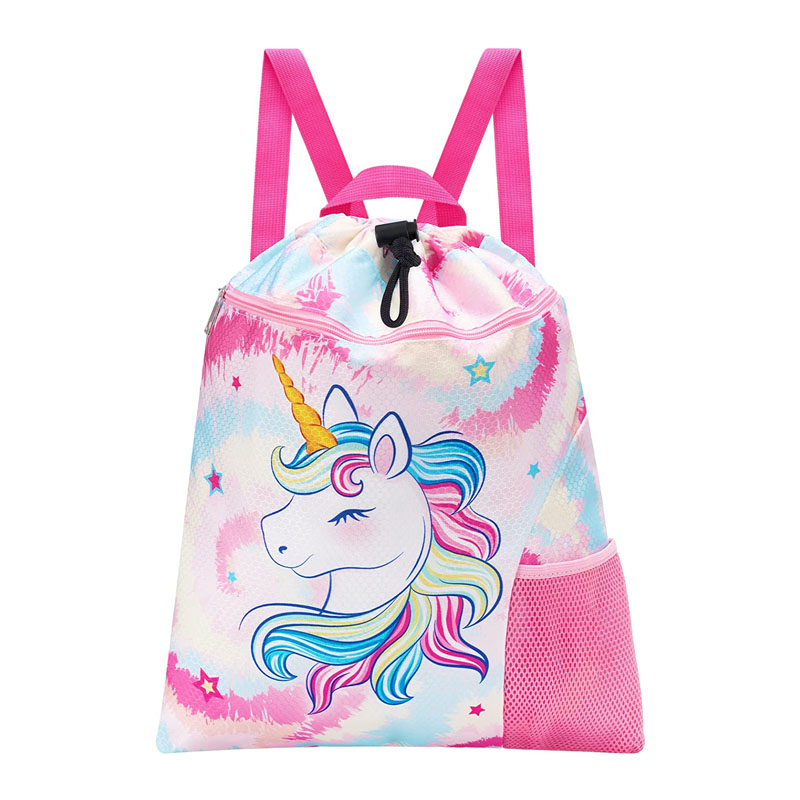
A drawstring bag wins when you want a lightweight carry solution that’s fast to open, easy to store, and cost-effective to ship. It’s especially strong in these scenarios:
- Events and conferences for welcome kits, brochures, and giveaways.
- Gyms and sports teams for shoes, towels, water bottles, and quick locker access.
- Schools and clubs as spirit merchandise or uniform accessories.
- Retail add-ons as a value item that increases perceived brand care.
- Travel and daily commuting as a secondary bag that folds flat.
If your customers carry laptops or fragile gear daily, a standard drawstring bag may need upgrades (thicker fabric, lining, padded straps, or a separate pocket). That’s not a deal-breaker—it’s a design decision.
◆◆◆
Material Options and How to Pick
Material choice is where most projects succeed or fail. The “best” fabric depends on how the bag will be used, how it should feel, and how it should represent your brand.
| Material | Pros | Trade-offs | Best for |
|---|---|---|---|
| Canvas / Cotton | Soft hand-feel, premium look, good for embroidery, reusable | Heavier, may shrink if washed, cost can be higher | Retail, brands that want a natural feel, premium giveaways |
| Polyester | Durable, lightweight, good color consistency, widely available | Less “natural” feel, heat can affect some prints | Sports, events, everyday utility |
| Nylon | Strong for its weight, smooth surface, good tear resistance | Can feel slippery, printing needs careful method selection | Outdoor, travel, performance-focused uses |
| RPET (recycled polyester) | Good durability + recycled story, consistent production | Costs may vary by market, requires clear documentation if claimed | Sustainable campaigns, corporate gifts with an eco message |
| Non-woven PP | Budget-friendly, lightweight, fast production | Lower strength, can crease, often feels less premium | Short-term events, high-volume giveaways |
If your buyers complain about tearing, don’t just “pick thicker fabric.” Focus on tear resistance + seam strength + reinforcement. A medium fabric with smart reinforcement often outperforms a heavy fabric with weak stitching.
◆◆◆
Construction Details That Decide Durability
Customers rarely describe construction in technical terms, but they feel the results immediately. If you want fewer complaints and more repeat orders, pay attention to these details:
-
Corner reinforcement
The bottom corners are high-stress points. A small reinforcement patch or bar-tack can dramatically improve lifespan. -
Seam type and stitch density
Tight, consistent stitching prevents seam creep and tearing. Ask for clear stitching standards (and confirm on samples). -
Cord quality
Thin cord may be cheaper, but it’s the first thing customers complain about. A slightly thicker, smoother cord improves comfort and perceived value. -
Grommets or eyelets
If your bag uses metal eyelets, ensure they’re set cleanly and don’t cut the cord. For some designs, reinforced fabric channels can be cleaner and lighter. -
Top channel design
A well-built channel pulls smoothly and reduces friction, which reduces cord fraying over time.
If you’re building a drawstring bag meant to carry shoes or heavier items, consider a double-layer bottom or a lining. These upgrades often cost less than dealing with brand damage from bad reviews.
◆◆◆
Sizing and Feature Planning
A common sourcing mistake is choosing a size based on photos, not real items. Before you commit, list what the bag must fit and how it will be used.
Quick sizing checklist
- What must fit inside? Shoes, towels, tablets, uniforms, brochures, water bottles?
- Is it carried for minutes or hours? Shoulder comfort matters more for longer use.
- Is it used outdoors? Consider water resistance, wipe-clean surfaces, and stronger cords.
- Does it need organization? Add a zipper pocket for phones, keys, or badges.
- Is security important? A drawstring closure is fast but not fully secure; a zip pocket helps.
For many brands, the best approach is to keep the main compartment simple and add one smart feature—like an internal pocket or reinforced corners—so the bag stays affordable but feels “designed,” not generic.
◆◆◆
Branding and Printing That Stays Sharp
Branding is often the goal—but it’s also where quality issues become visible fast. The right method depends on fabric, logo complexity, and how the bag will be used.
- Screen printing works well for bold logos and high quantity. Ask about ink flexibility to reduce cracking on folds.
- Heat transfer can handle gradients and photos, but needs proper film choice and testing for peel resistance.
- Embroidery feels premium and durable, especially on canvas, but it may not suit ultra-detailed logos.
- Woven labels add a retail finish without large print areas, great when you want a subtle brand look.
If your drawstring bag is likely to be folded, stuffed into lockers, or tossed into cars, prioritize methods that tolerate flexing. Always test a sample the way customers will actually use it.
◆◆◆
Quality Checks Before You Approve Production
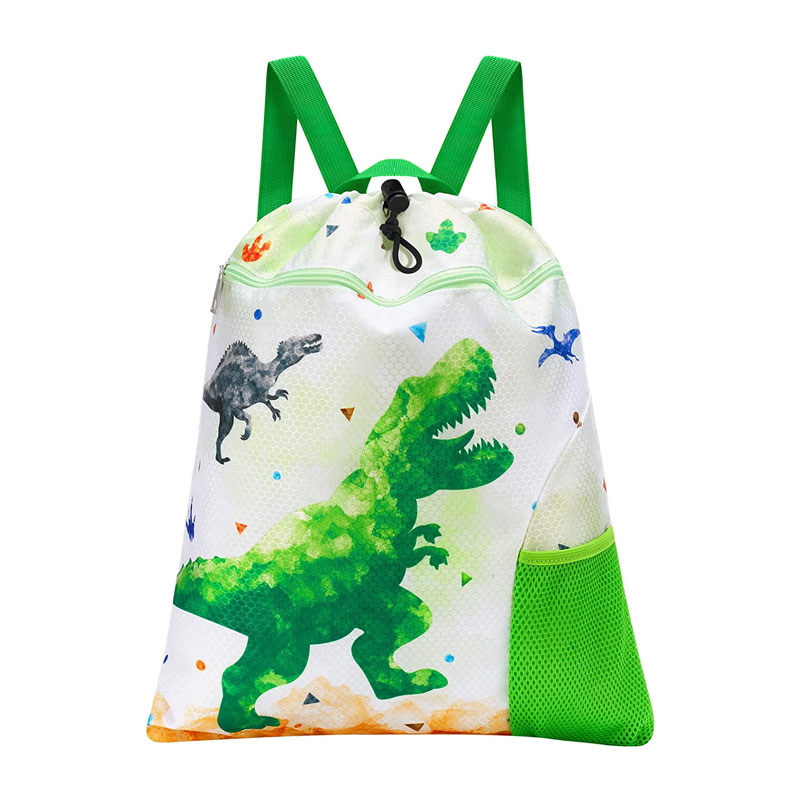
You don’t need a lab to avoid the biggest failures. A practical inspection routine catches most issues early:
- Pull test: Load the bag with a realistic weight and pull the cords repeatedly. Watch for seam stress and cord fraying.
- Corner stress: Press and tug at the bottom corners. Reinforcements should stay flat and secure.
- Print rub test: Rub the printed area with dry and slightly damp fabric to see if it smears or flakes.
- Odor check: Strong chemical odors can trigger customer complaints and returns, especially for gifts.
- Stitch consistency: Look for skipped stitches, uneven thread tension, and messy seam ends.
If you’re ordering for corporate gifts, retail, or long-term use, request production photos or pre-shipment inspection steps. Consistency is what protects your brand over multiple reorders.
◆◆◆
Sourcing Tips for Reliable Supply
When you source a drawstring bag, you’re not only buying fabric and cords—you’re buying repeatability. Clear specs reduce misunderstandings, protect timelines, and make the second order as good as the first.
What to define in your spec sheet
- Exact material and weight (or thickness range)
- Bag dimensions with tolerance
- Cord type, thickness, and length
- Reinforcement requirements (corners, channel, stress points)
- Branding method and artwork placement
- Packaging requirements (individual polybag, hangtag, carton labeling)
- Production timeline with sample approval checkpoints
If you want a partner that can support consistent production, it helps to work with a manufacturer that understands both design details and operational control. For example, Ningbo Yongxin Industry co., Ltd. develops drawstring bag solutions with practical options like material selection, reinforcement planning, and branding execution—useful when you’re trying to balance budget, durability, and appearance.
One more tip that saves time: approve one golden sample and keep it as a physical reference for future reorders. Photos help, but a real sample prevents small changes from creeping in.
◆◆◆
FAQ
Q: How do I choose the right material for a drawstring bag?
A: Start with the use case. For sports and daily utility, polyester is a strong all-rounder. For a premium feel, canvas/cotton is popular. For sustainability messaging with reliable performance, RPET is a practical option. Then confirm durability with reinforcement and stitching standards—not material alone.
Q: What makes a drawstring bag comfortable to carry?
A: Cord thickness and smoothness matter more than most people expect. Reinforced channels reduce friction, and wider or softer cords reduce shoulder digging. If the bag will be carried for hours, consider upgraded cords or strap-style solutions.
Q: Why do some logos crack or peel?
A: Usually it’s a mismatch between the print method, ink/film choice, and the way the bag flexes. Bags get folded and pulled constantly. Testing a sample under real use (folding, rubbing, light washing) is the fastest way to prevent disappointment.
Q: What size drawstring bag should I order for events?
A: List the largest item that must fit (like a hoodie, shoe box, or A4 folder) and design around that. Many event bags fail because they’re chosen by “looks” rather than by the actual kit contents. If you include water bottles, think about height and bottom strength.
Q: How can I reduce delays when ordering?
A: Build in time for sample approval, confirm artwork files early, and lock down specs before mass production. Most delays happen when details change midstream—cord choice, logo size, packaging, or last-minute size adjustments.
Q: Is a drawstring bag suitable for retail?
A: Yes, if it’s designed to feel intentional: better fabric hand-feel, clean stitching, durable branding, and at least one “retail detail” like a woven label or an internal pocket. Retail customers judge finishing quickly.
◆◆◆
Next Steps
If you want a drawstring bag that customers actually keep using (instead of tossing in a drawer), focus on the few details that matter most: the right material for the job, reinforced stress points, comfortable cords, and branding that survives real life. When you’re ready to develop your next drawstring bag—whether it’s a promotional run, a gym collection, or a retail-ready item—Ningbo Yongxin Industry co., Ltd. can help you plan the specifications and turn them into a consistent finished product.
Have a target budget, quantity, and use case in mind? Contact us with your requirements and we’ll help you narrow down the best options for materials, sizing, and branding so your next drawstring bag project ships smoothly and looks right when it arrives.
Send Inquiry


X
We use cookies to offer you a better browsing experience, analyze site traffic and personalize content. By using this site, you agree to our use of cookies.
Privacy Policy