 English
- English
-
 Español
 -
 Português
 -
 русский
 -
 Français
 -
 日本語
日本語 -
 Deutsch
 -
 tiếng Việt
 -
 Italiano
 -
 Nederlands
 -
 ภาษาไทย
 -
 Polski
 -
 한국어
한국어 -
 Svenska
 -
 magyar
 -
 Malay
Malay -
 বাংলা ভাষার
 -
 Dansk
Dansk -
 Suomi
Suomi -
 हिन्दी
 -
 Pilipino
 -
 Türkçe
 -
 Gaeilge
 -
 العربية
 -
 Indonesia
 -
 Norsk
Norsk -
 تمل
تمل -
 český
český -
 ελληνικά
 -
 український
 -
 Javanese
 -
 فارسی
فارسی -
 தமிழ்
தமிழ் -
 తెలుగు
 -
 नेपाली
 -
 Burmese
 -
 български
 -
 ລາວ
ລາວ -
 Latine
 -
 Қазақша
 -
 Euskal
 -
 Azərbaycan
 -
 Slovenský jazyk
 -
 Македонски
 -
 Lietuvos
 -
 Eesti Keel
 -
 Română
 -
 Slovenski
 -
 मराठी
मराठी -
 Srpski језик
 -
 Esperanto
 -
 Afrikaans
 -
 Català
 -
 שפה עברית
 -
 Cymraeg
 -
 Galego
 -
 Latviešu
 -
 icelandic
 -
 ייִדיש
 -
 беларускі
 -
 Hrvatski
 -
 Kreyòl ayisyen
 -
 Shqiptar
 -
 Malti
Malti -
 lugha ya Kiswahili
 -
 አማርኛ
አማርኛ -
 Bosanski
 -
 Frysk
Frysk -
 ភាសាខ្មែរ
 -
 ქართული
 -
 ગુજરાતી
 -
 Hausa
Hausa -
 Кыргыз тили
 -
 ಕನ್ನಡ
ಕನ್ನಡ -
 Corsa
Corsa -
 Kurdî
Kurdî -
 മലയാളം
 -
 Maori
Maori -
 Монгол хэл
 -
 Hmong
Hmong -
 IsiXhosa
 -
 Zulu
Zulu -
 Punjabi
 -
 پښتو
پښتو -
 Chichewa
 -
 Samoa
Samoa -
 Sesotho
 -
 සිංහල
සිංහල -
 Gàidhlig
 -
 Cebuano
 -
 Somali
 -
 Тоҷикӣ
 -
 O'zbek
 -
 Hawaiian
 -
 سنڌي
سنڌي -
 Shinra
 -
 Հայերեն
 -
 Igbo
Igbo -
 Sundanese
 -
 Lëtzebuergesch
 -
 Malagasy
 -
 Yoruba
 -
 简体中文
简体中文 -
 繁体中文
繁体中文


How Can a Cosmetic Bag Make Your Daily Routine Less Messy?
A cosmetic bag sounds simple—until you’re wiping foundation off a zipper, fishing for a lost lip balm, or watching a travel-sized bottle leak into everything you own. This guide breaks down what actually matters (capacity, compartments, lining, closures, cleanability, and durability) so you can pick a Cosmetic Bag that solves real problems, not just looks cute on a shelf.
Abstract
Many people buy a Cosmetic Bag based on appearance, then regret it when it can’t handle everyday realities: spills, clutter, cramped bathrooms, quick airport checks, humid climates, or busy mornings. This article explains the most common pain points, the features that prevent them, and how to match a bag to your lifestyle—daily commute, gym, travel, professional kits, or minimal routines. You’ll also find practical checklists, a comparison table of materials, and an FAQ for quick decisions.
Table of Contents
- Outline
- The Pain Points a Cosmetic Bag Should Fix
- Sizing That Fits Real Life
- Materials and Linings That Survive Spills
- Design Details That Save Time Every Day
- Hygiene and Cleanability
- Travel-Ready Features Without Overcomplication
- Picking the Right Cosmetic Bag by Use Case
- Quality Checks Before You Commit
- Working With a Reliable Manufacturer
- FAQ
- Final Thoughts
Outline
- Identify the mess, leak, and “lost item” problems your current bag creates.
- Choose a size based on where you use it (home, commute, gym, travel, pro kit).
- Prioritize material, lining, and stitching for easy cleanup and long-term durability.
- Look for smart interior layout: pockets, dividers, brush slots, and wide opening.
- Validate practical details: zipper strength, structure, and water resistance.
- Use checklists and FAQs to decide quickly and avoid buying twice.
The Pain Points a Cosmetic Bag Should Fix
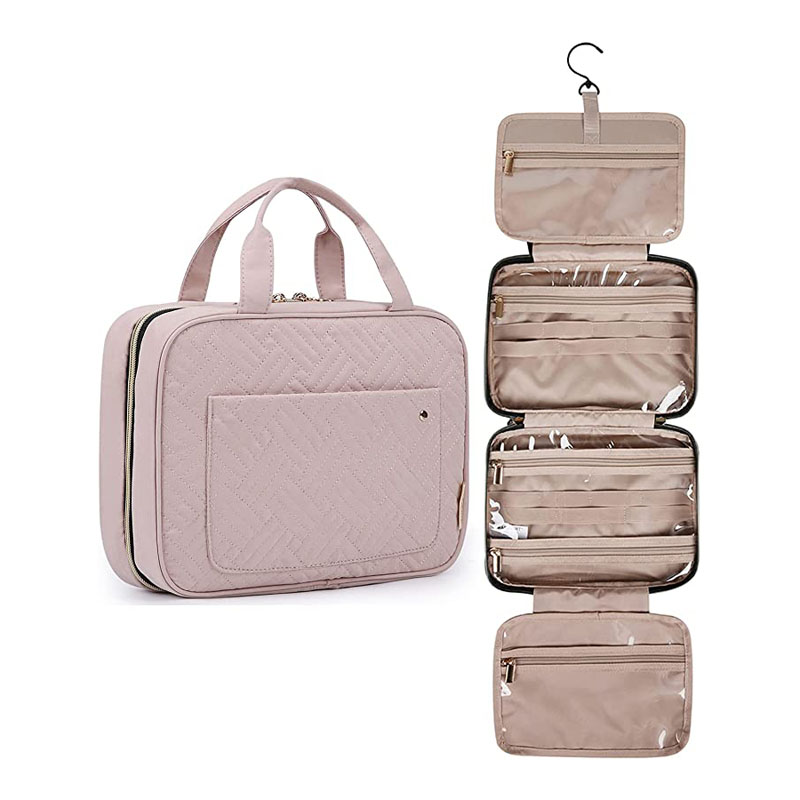
A Cosmetic Bag is supposed to make life simpler. When it fails, you don’t just lose time—you lose products, hygiene, and peace of mind. Here are the problems people mention most often (and the features that prevent them):
- Leaking bottles ruin everything: Look for a wipeable lining, reinforced seams, and a shape that keeps bottles upright.
- Clutter makes you late: Choose a layout that separates daily essentials from “sometimes” items.
- Powder residue everywhere: A light-colored, smooth interior makes cleanup faster and helps you spot spills.
- Brushes get bent or dirty: Brush slots or a separate sleeve prevents cross-contamination with creams and liquids.
- Zippers break first: A reliable zipper with neat stitching around stress points is the difference between a “one-season bag” and a long-term one.
- Too soft collapses, too stiff wastes space: A semi-structured body holds shape without becoming bulky.
If you’re shopping for a Cosmetic Bag because you’re tired of small daily annoyances, keep your decision grounded in one question: What is the single most frustrating moment your current setup creates? Then buy to eliminate that moment.
Sizing That Fits Real Life
The “right size” is not about how many products you own—it’s about where you use them. A good Cosmetic Bag should match your routine so you’re not carrying dead weight or playing Tetris every morning.
| Use Case | Ideal Capacity | What It Should Hold |
|---|---|---|
| Daily touch-up | Small | Lip product, compact, mini concealer, blotting items, travel brush |
| Gym or work-to-dinner | Medium | Skincare basics, deodorant, hair ties, mini fragrance, a few makeup essentials |
| Weekend travel | Medium to large | Travel bottles, cleanser, SPF, makeup set, brush protection |
| Professional kit | Large / modular | Multiple categories separated, easy sanitation, quick visibility, durable structure |
One underrated tip: choose a bag that fits your storage space and your “use space.” If you do makeup at a tiny sink, a wide-opening bag that lays flat can be more helpful than a tall bag that blocks your elbows.
Materials and Linings That Survive Spills
The material choice determines how your Cosmetic Bag ages. A beautiful exterior means nothing if the inside absorbs foundation forever. Focus on two layers: the outside (what takes friction and scuffs) and the inside (what takes spills).
| Material Type | Strengths | Watch Outs |
|---|---|---|
| PU / coated fabric | Easy wipe-down, structured look, good for spills | Quality varies; look for neat edges and strong stitching |
| Nylon / polyester | Lightweight, travel-friendly, often water resistant | Can feel “floppy” without structure; interiors matter |
| Canvas / cotton blends | Classic look, durable texture, holds shape well | May stain; choose a protective lining inside |
| Clear TPU / transparent panels | Instant visibility, easy to find items, airport-friendly feel | Can scratch; zipper and seams must be reinforced |
- Best interior lining habit: If you want low-maintenance, prioritize smooth, wipeable lining over soft fabric lining.
- Best exterior habit: If your bag lives in a tote or suitcase, choose scuff-resistant material and a zipper that won’t snag.
- Structure matters: Semi-structured sides keep bottles from tipping and powders from cracking.
Design Details That Save Time Every Day
The best Cosmetic Bag feels “invisible” during your routine because it removes friction. These design details are not fancy—they’re functional.
- Wide opening: Lets you see everything at once instead of digging blindly.
- Two-zone organization: Keep “daily” items in one area and “occasionals” in another.
- Elastic holders or pockets: Stop bottles from rolling and protect caps from twisting open.
- Brush compartment: Helps hygiene, prevents bristles from deforming, and keeps powder off creams.
- Handle or loop: Makes it easy to grab on the go, especially in shared bathrooms.
- Smart zipper path: A zipper that goes further down the sides creates a “tray effect” when opened.
If you’re choosing between “more pockets” and “better visibility,” pick visibility first. Too many pockets can become a hiding place for expired minis. A practical Cosmetic Bag helps you see what you own, so you actually use it.
Hygiene and Cleanability
Makeup and skincare are personal-care items, which means your bag is part of your hygiene system. A Cosmetic Bag that’s hard to clean quietly becomes a problem: old powder, lingering moisture, and sticky product buildup can attract grime and shorten product life.
- Wipeable interior: The fastest clean is the one you’ll actually do.
- Moisture awareness: If you store damp sponges or tools, prioritize ventilation or keep tools in a separate pouch.
- Light interior color: Helps you notice residue early instead of “discovering” it months later.
- Rounded corners: Product tends to collect in sharp corners; rounded ones wipe cleaner.
A simple routine that works: once a week, empty your Cosmetic Bag, shake out powder, wipe the lining, and let it air dry. This tiny habit prevents the “mystery gunk” moment and keeps everything feeling fresh.
Travel-Ready Features Without Overcomplication
Travel exposes every weak point: pressure changes, cramped packing, frequent opening, and unpredictable surfaces. A travel-friendly Cosmetic Bag doesn’t need to be complicated—it just needs to be deliberate.
- Leak defense: A protective lining and upright-friendly structure help contain surprises.
- Quick access: Wide opening prevents “makeup explosion” in hotel bathrooms.
- Space efficiency: Soft enough to fit luggage curves, structured enough to protect compacts.
- Easy separation: Consider using two bags: one for liquids/skincare, one for makeup tools and powders.
If you fly often, keep a minimal travel set permanently packed. The best Cosmetic Bag for travel is the one that reduces decision-making: you open it and everything is already in the right place.
Picking the Right Cosmetic Bag by Use Case
Not every Cosmetic Bag should do everything. Instead of searching for a “perfect” bag, choose the right tool for the job.
- Minimal everyday routine: Choose small with a wide opening and one inner pocket for essentials.
- Skincare-heavy routine: Prioritize upright structure and wipeable interior for bottles and tubes.
- Makeup artist or pro kit: Go modular—separate pouches by category so you can sanitize and restock faster.
- Shared household bathroom: Pick a handled bag that’s easy to grab and doesn’t spill when moved.
- Gifts and branding: Look for customization options like colors, logos, and packaging that feel premium.
A good rule: if you constantly “repack” from one bag to another, your current setup is too generic. The right Cosmetic Bag should make packing boring—in the best way.
Quality Checks Before You Commit
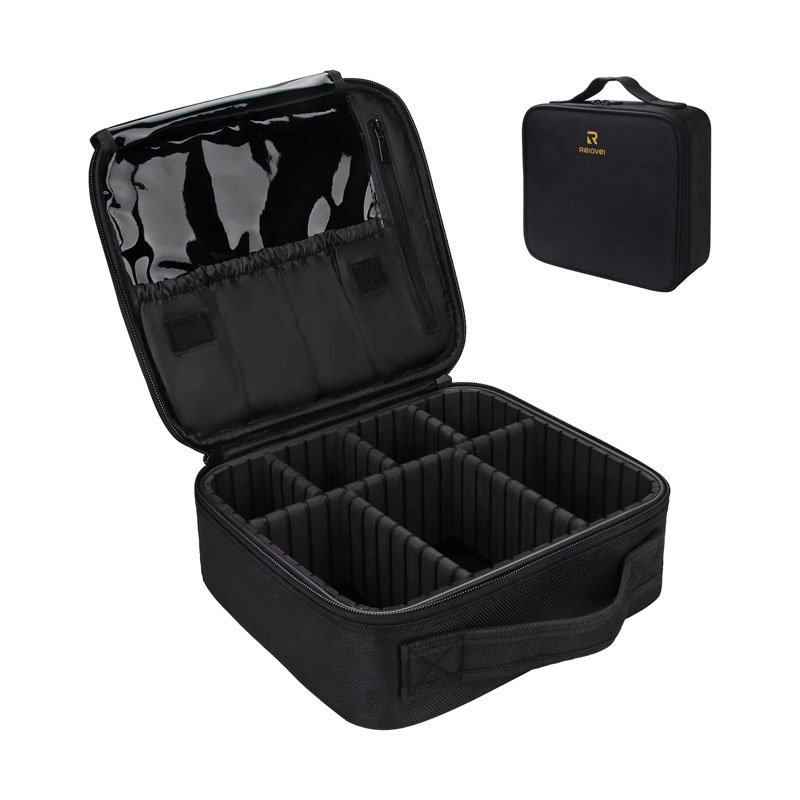
Even when a bag looks great in photos, build quality is what decides whether it becomes your daily favorite or your next declutter item. Use this quick checklist when comparing options:
- Zipper test: Does it glide smoothly? Does it feel secure at the corners?
- Seam test: Are stitches neat and consistent, especially at handles and zipper ends?
- Interior test: Can you wipe it clean easily? Does it resist staining from creams and powders?
- Shape test: Does it stand on its own when filled, or collapse into a clutter pile?
- Edge finishing: Clean edges usually mean better long-term durability and less peeling.
When a Cosmetic Bag is well-made, it protects your products, speeds up your routine, and feels trustworthy. That’s not “luxury”— it’s functional confidence.
Working With a Reliable Manufacturer
If you’re sourcing for retail, gifting, or brand projects, reliability matters just as much as design. Consistent stitching, material control, and clear communication reduce the most common sourcing headaches: uneven batches, weak zippers, inconsistent colors, or delayed timelines.
Ningbo Yongxin Industry co., Ltd. focuses on practical, lifestyle-friendly bag solutions, including thoughtfully structured options that prioritize clean interiors, useful compartments, and durable closures—details that directly address what customers complain about most. A strong manufacturing partner should also support customization (size, color, logo, packaging) while maintaining consistent quality standards.
FAQ
Q: How often should I clean a cosmetic bag?
A: If you use it daily, a quick wipe once a week is a great baseline. After any spill (foundation, sunscreen, oil), clean immediately to prevent staining and residue.
Q: What’s the most important feature for preventing leaks?
A: A wipeable interior lining and reinforced seams are the top two. Structure that keeps bottles upright helps too—especially during travel.
Q: Should I separate skincare and makeup?
A: If you carry liquids or oils, separating is smart. It protects powders and brushes from residue and reduces cleanup time when a spill happens.
Q: Why do zippers fail so often on small bags?
A: Zippers take stress at corners and ends—especially when the bag is overstuffed. Look for smooth movement, neat stitching, and reinforced zipper ends.
Q: What size cosmetic bag is best for a carry-on routine?
A: Medium is usually the sweet spot: enough room for travel bottles and essentials, but not so big that items sink to the bottom. A wide opening helps you access items quickly in tight spaces.
Final Thoughts
The best Cosmetic Bag doesn’t just store products—it protects your time, your routine, and your sanity. Choose based on the problems you want to eliminate: spills, clutter, hygiene concerns, or travel chaos. When you prioritize cleanability, structure, and smart layout, you stop buying “another bag” and finally keep the one that works.
If you’re looking for a practical, customizable Cosmetic Bag that’s built for everyday use and consistent quality, contact us at Ningbo Yongxin Industry co., Ltd. to discuss options, customization ideas, and the right solution for your customers or brand.
Send Inquiry


X
We use cookies to offer you a better browsing experience, analyze site traffic and personalize content. By using this site, you agree to our use of cookies.
Privacy Policy