 English
- English
-
 Español
 -
 Português
 -
 русский
 -
 Français
 -
 日本語
日本語 -
 Deutsch
 -
 tiếng Việt
 -
 Italiano
 -
 Nederlands
 -
 ภาษาไทย
 -
 Polski
 -
 한국어
한국어 -
 Svenska
 -
 magyar
 -
 Malay
Malay -
 বাংলা ভাষার
 -
 Dansk
Dansk -
 Suomi
Suomi -
 हिन्दी
 -
 Pilipino
 -
 Türkçe
 -
 Gaeilge
 -
 العربية
 -
 Indonesia
 -
 Norsk
Norsk -
 تمل
تمل -
 český
český -
 ελληνικά
 -
 український
 -
 Javanese
 -
 فارسی
فارسی -
 தமிழ்
தமிழ் -
 తెలుగు
 -
 नेपाली
 -
 Burmese
 -
 български
 -
 ລາວ
ລາວ -
 Latine
 -
 Қазақша
 -
 Euskal
 -
 Azərbaycan
 -
 Slovenský jazyk
 -
 Македонски
 -
 Lietuvos
 -
 Eesti Keel
 -
 Română
 -
 Slovenski
 -
 मराठी
मराठी -
 Srpski језик
 -
 Esperanto
 -
 Afrikaans
 -
 Català
 -
 שפה עברית
 -
 Cymraeg
 -
 Galego
 -
 Latviešu
 -
 icelandic
 -
 ייִדיש
 -
 беларускі
 -
 Hrvatski
 -
 Kreyòl ayisyen
 -
 Shqiptar
 -
 Malti
Malti -
 lugha ya Kiswahili
 -
 አማርኛ
አማርኛ -
 Bosanski
 -
 Frysk
Frysk -
 ភាសាខ្មែរ
 -
 ქართული
 -
 ગુજરાતી
 -
 Hausa
Hausa -
 Кыргыз тили
 -
 ಕನ್ನಡ
ಕನ್ನಡ -
 Corsa
Corsa -
 Kurdî
Kurdî -
 മലയാളം
 -
 Maori
Maori -
 Монгол хэл
 -
 Hmong
Hmong -
 IsiXhosa
 -
 Zulu
Zulu -
 Punjabi
 -
 پښتو
پښتو -
 Chichewa
 -
 Samoa
Samoa -
 Sesotho
 -
 සිංහල
සිංහල -
 Gàidhlig
 -
 Cebuano
 -
 Somali
 -
 Тоҷикӣ
 -
 O'zbek
 -
 Hawaiian
 -
 سنڌي
سنڌي -
 Shinra
 -
 Հայերեն
 -
 Igbo
Igbo -
 Sundanese
 -
 Lëtzebuergesch
 -
 Malagasy
 -
 Yoruba
 -
 简体中文
简体中文 -
 繁体中文
繁体中文


Why Choose a Pencil Bag for a Smarter Daily Carry?
Article Summary
A pencil bag sounds simple—until your backpack turns into a black hole of broken leads, ink stains, lost erasers, and tangled cables. This guide breaks down how to pick a pencil bag that actually solves real-life annoyances: protecting stationery, speeding up access during class or meetings, keeping workspaces tidy, and preventing spills and damage in transit. You’ll also get a practical selection checklist, a quick comparison table, and frequently asked questions—so you can choose confidently whether you’re a student, an office user, or a creative professional.
Table of Contents
- Outline
- The Real Problems a Pencil Bag Should Fix
- Who Benefits Most From the Right Pencil Bag?
- What Features Matter Most?
- Materials and Build Quality
- Sizing and Capacity
- Quick Comparison Table
- A Simple Buying Checklist
- Care, Cleaning, and Longevity
- Custom Options for Brands and Bulk Orders
- FAQ
Outline
- Identify the daily pain points (mess, breakage, stains, slow access)
- Match the pencil bag type to your use case (school, office, travel, art)
- Choose key features (compartments, zipper quality, structure, lining)
- Pick the right material and size for your carry style
- Use a checklist and table to decide fast
- Learn basic care and smart custom options
The Real Problems a Pencil Bag Should Fix
Most people don’t “need” a pencil bag until they’ve had the same frustrations three days in a row. A good one isn’t just storage—it’s damage control and time-saving. Here are the pain points customers usually want solved:
- Mess and wasted time: digging for one pen during a lecture or meeting is a tiny stress that adds up.
- Broken pencil leads and crushed markers: loose stationery gets squeezed in a backpack and stops working when you need it most.
- Ink stains and leakage: one uncapped pen can ruin notebooks, receipts, or tech accessories.
- Lost small items: erasers, sharpener lids, refills, sticky notes, and USB drives vanish easily without a dedicated space.
- Noise and distraction: loose items clattering in a bag can be surprisingly annoying—especially on commutes.
- Unprofessional carry: for offices or client meetings, pulling a random handful of pens out of your bag doesn’t feel great.
The best pencil bag isn’t the fanciest—it’s the one that prevents these problems without making your routine more complicated.
Who Benefits Most From the Right Pencil Bag?
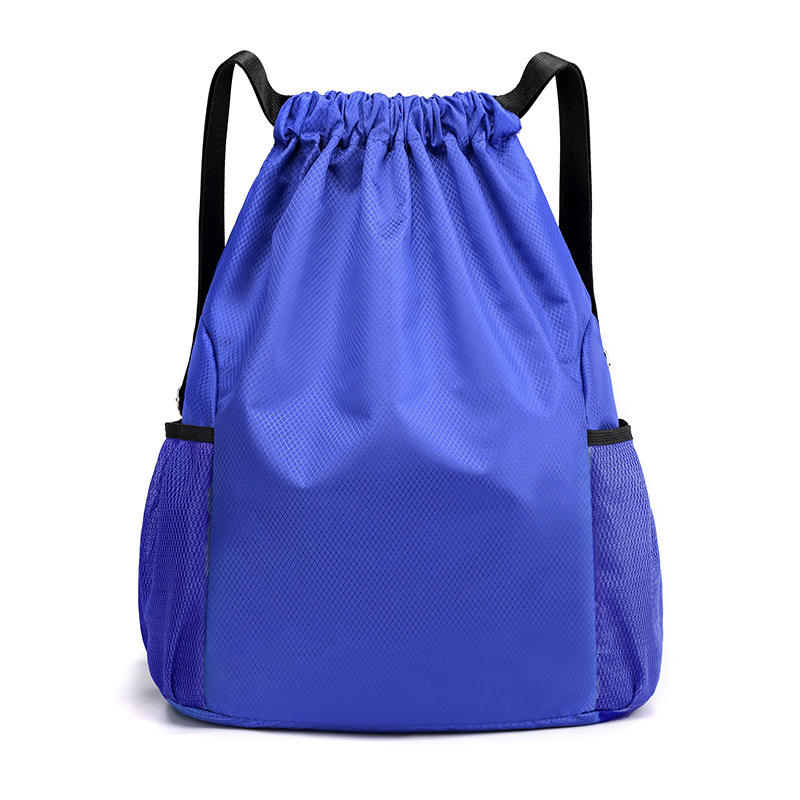
“Pencil bag” doesn’t mean “only for school.” The right design depends on what you carry and how you move through your day.
- Students: quick access, strong zippers, and enough capacity for multiple classes.
- Office and remote workers: a tidy desktop setup, plus a clean way to move between home and office.
- Artists and designers: protection for brush pens, fineliners, blending tools, and delicate tips.
- Travelers: compact organization that prevents leaks and keeps essentials together during transit.
- Parents: shared stationery in one place for kids’ homework and activities.
If you routinely carry more than “one pen and one pencil,” a well-chosen pencil bag is one of the easiest upgrades you can make.
What Features Matter Most?
Many pencil bags look similar at first glance, but details determine whether it’s a daily favorite or a drawer resident. Prioritize features that reduce friction:
- Reliable closure: smooth zippers with consistent pull reduce snags and “one-hand fails.”
- Structured shape (when needed): light structure helps prevent crushed tips and keeps the bag from collapsing in your backpack.
- Smart compartments: separate spaces for sharp objects, sticky items, and ink pens can prevent damage and stains.
- Easy-to-clean interior: lining that wipes clean saves you from permanent ink marks and graphite smudges.
- Comfortable opening: wide-mouth designs make it easy to see what’s inside—no more “blind rummaging.”
- Durable seams: stress points around corners and zipper ends should be reinforced for long-term use.
A simple rule: if a pencil bag makes access harder, you’ll stop using it. Convenience is the real “premium feature.”
Materials and Build Quality
Material choice affects weight, cleaning, durability, and the overall feel. Here’s how to think about it in real life:
- Polyester or nylon fabrics: lightweight, durable, and often easy to wipe clean—great for everyday carry.
- Canvas-style fabrics: usually sturdy with a classic look, but may require more care when stained.
- PU or coated surfaces: can resist moisture and wipe clean quickly, which is helpful for ink-prone setups.
- Interior lining: a smoother lining can reduce friction and make cleaning faster; it also helps protect delicate tips.
Build quality often shows up first in the zipper track and the stitching. If the zipper feels rough from day one, it’s not going to get better after months of use.
If you’re sourcing for retail or brand use, manufacturers like Ningbo Yongxin Industry co., Ltd. typically focus on consistent construction, dependable hardware options, and scalable production—helpful when you want stable quality across batches.
Sizing and Capacity
Bigger isn’t always better. The right size is the one that fits your “daily set” without turning into a catch-all junk pouch.
- Minimal carry: a slim pencil bag for 3–8 items (a pen, pencil, highlighter, eraser, small ruler).
- School/standard carry: medium capacity for 10–20 items plus accessories.
- Heavy carry or creative tools: larger formats or multi-compartment designs to protect markers and specialty pens.
Think about where it will live: backpack side pocket, laptop bag, tote, or desk drawer. If it doesn’t fit your usual space, it won’t stay in rotation.
Quick Comparison Table
| Pencil Bag Type | Best For | Main Advantage | Watch Out For |
|---|---|---|---|
| Slim Pouch | Minimal daily carry | Lightweight and compact | Can get tight fast |
| Wide-Mouth Pouch | Quick access users | Easy visibility and reach | May take more space |
| Compartment Organizer | Students, office kits | Separation prevents mess | Extra structure adds weight |
| Structured Case | Markers, brush pens | Protects delicate tips | Less flexible storage |
| Multi-Use Pouch | Travel, hybrid carry | Can hold cables and small items | Risk of mixing ink and tech |
A Simple Buying Checklist
Use this checklist to avoid overthinking and choose a pencil bag that actually improves your routine:
- Access: Can you open it quickly and see what you need?
- Protection: Will it prevent crushed tips and broken leads in your usual bag?
- Cleanliness: Is the inside easy to wipe if a pen leaks?
- Capacity: Does it fit your daily set without turning into clutter storage?
- Comfort: Does the zipper glide smoothly without snagging?
- Durability: Are corners and zipper ends reinforced?
- Use case match: Student, office, art, or travel—does the design fit your reality?
If you check at least five of these boxes, you’re likely choosing a pencil bag you’ll keep using.
Care, Cleaning, and Longevity
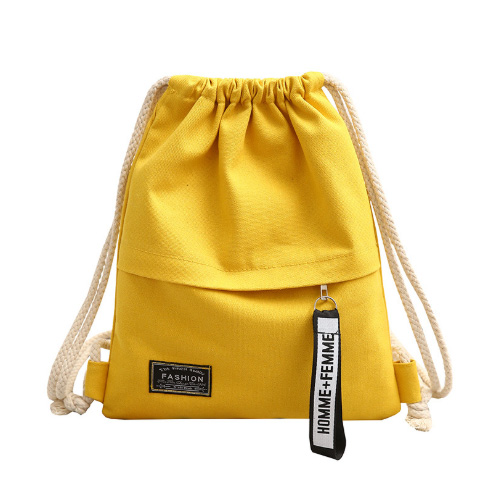
Pencil bags last longer when you treat them like a tool, not a trash drawer. A few habits make a big difference:
- Do a weekly reset: remove scraps, broken lead, and loose caps.
- Separate “ink-risk” items: keep fountain pens or wet markers away from important papers if possible.
- Wipe early: fresh ink stains are much easier to remove than old ones.
- Don’t overstuff: overfilling stresses zippers and seams, especially at corners.
If your pencil bag is part of a school kit or a retail product line, choosing washable or wipe-clean materials can reduce returns and complaints—because customers care about what happens after the first month.
Custom Options for Brands and Bulk Orders
If you’re buying for a brand, a school program, or a promotional campaign, the pencil bag becomes more than a container—it’s a daily-use item that people see repeatedly. Practical customization tends to outperform “flashy” customization.
- Logo placement: choose a spot that stays visible when the bag is in use, not hidden at the bottom.
- Color and finish: darker interiors can hide stains; lighter interiors can improve visibility.
- Compartment layout: align the design with what your customers actually carry.
- Packaging: clean packaging helps the product feel giftable and retail-ready.
Companies like Ningbo Yongxin Industry co., Ltd. often support a range of styles—from minimal pouches to structured organizers—so buyers can match the product to different customer groups without reinventing the entire design each time.
FAQ
What is the best pencil bag for preventing pen leaks?
Look for an easy-to-clean interior lining and a closure that stays secure in transit. Keeping pens in a separate compartment (or a dedicated sleeve) also reduces the chance of caps coming loose and leaking onto other items.
How many compartments do I really need?
Most people do well with two zones: one for writing tools and one for small accessories (eraser, sharpener, refills). More compartments help if you carry markers, brush pens, or items that shouldn’t rub together.
Should a pencil bag be hard or soft?
Soft bags are lighter and easier to fit into tight spaces. Structured cases offer better protection for delicate tips and reduce crushing. The right answer depends on whether your main problem is space or protection.
How do I stop my pencil bag from becoming a clutter pouch?
Set a “daily carry limit” and do a quick weekly clean-out. If you find yourself tossing random items inside, you may want a slightly smaller bag so it naturally discourages clutter.
Can a pencil bag be used for other items?
Yes—many people use them for small tech accessories, makeup touch-ups, or travel essentials. If you mix categories, consider separate pouches to avoid ink risk near electronics or cosmetics.
Final Thoughts
A pencil bag earns its place when it saves you time, prevents damage, and keeps your daily tools reliable. Whether you want a compact pouch for the essentials or a structured organizer that protects specialty pens, the best choice is the one that fits your real routine—not an idealized version of it.
If you’re looking for dependable pencil bag options for retail, school programs, or branded projects, contact us at Ningbo Yongxin Industry co., Ltd. to discuss styles, materials, and customization that match what your customers actually need.
Previous:Why Does Your Shopping Bag Matter?
Send Inquiry


X
We use cookies to offer you a better browsing experience, analyze site traffic and personalize content. By using this site, you agree to our use of cookies.
Privacy Policy