 English
- English
-
 Español
 -
 Português
 -
 русский
 -
 Français
 -
 日本語
日本語 -
 Deutsch
 -
 tiếng Việt
 -
 Italiano
 -
 Nederlands
 -
 ภาษาไทย
 -
 Polski
 -
 한국어
한국어 -
 Svenska
 -
 magyar
 -
 Malay
Malay -
 বাংলা ভাষার
 -
 Dansk
Dansk -
 Suomi
Suomi -
 हिन्दी
 -
 Pilipino
 -
 Türkçe
 -
 Gaeilge
 -
 العربية
 -
 Indonesia
 -
 Norsk
Norsk -
 تمل
تمل -
 český
český -
 ελληνικά
 -
 український
 -
 Javanese
 -
 فارسی
فارسی -
 தமிழ்
தமிழ் -
 తెలుగు
 -
 नेपाली
 -
 Burmese
 -
 български
 -
 ລາວ
ລາວ -
 Latine
 -
 Қазақша
 -
 Euskal
 -
 Azərbaycan
 -
 Slovenský jazyk
 -
 Македонски
 -
 Lietuvos
 -
 Eesti Keel
 -
 Română
 -
 Slovenski
 -
 मराठी
मराठी -
 Srpski језик
 -
 Esperanto
 -
 Afrikaans
 -
 Català
 -
 שפה עברית
 -
 Cymraeg
 -
 Galego
 -
 Latviešu
 -
 icelandic
 -
 ייִדיש
 -
 беларускі
 -
 Hrvatski
 -
 Kreyòl ayisyen
 -
 Shqiptar
 -
 Malti
Malti -
 lugha ya Kiswahili
 -
 አማርኛ
አማርኛ -
 Bosanski
 -
 Frysk
Frysk -
 ភាសាខ្មែរ
 -
 ქართული
 -
 ગુજરાતી
 -
 Hausa
Hausa -
 Кыргыз тили
 -
 ಕನ್ನಡ
ಕನ್ನಡ -
 Corsa
Corsa -
 Kurdî
Kurdî -
 മലയാളം
 -
 Maori
Maori -
 Монгол хэл
 -
 Hmong
Hmong -
 IsiXhosa
 -
 Zulu
Zulu -
 Punjabi
 -
 پښتو
پښتو -
 Chichewa
 -
 Samoa
Samoa -
 Sesotho
 -
 සිංහල
සිංහල -
 Gàidhlig
 -
 Cebuano
 -
 Somali
 -
 Тоҷикӣ
 -
 O'zbek
 -
 Hawaiian
 -
 سنڌي
سنڌي -
 Shinra
 -
 Հայերեն
 -
 Igbo
Igbo -
 Sundanese
 -
 Lëtzebuergesch
 -
 Malagasy
 -
 Yoruba
 -
 简体中文
简体中文 -
 繁体中文
繁体中文


Why Does Your Shopping Bag Matter?
Abstract
A Shopping Bag looks simple—until it rips, smears ink onto a customer’s hands, collapses in the rain, or costs more than it should to ship and store. This guide breaks down the decisions that actually affect performance, brand impression, compliance risk, and unit economics. You’ll learn how to choose materials, define specs that suppliers can’t misread, avoid common quality traps, and build a bag that fits your product, your customers, and your operational reality.
Table of Contents
- What Problems Do Buyers Actually Face with Shopping Bags?
- What Makes a Shopping Bag “Good” in the Real World?
- Material Choices That Don’t Backfire Later
- Design and Branding Without Regrets
- How to Specify a Shopping Bag So Suppliers Can’t Misinterpret It
- Quality Checks You Can Do Before Mass Production
- Cost, Lead Time, and Logistics: The Hidden Math
- Common Use Cases and Recommended Builds
- How Ningbo Yongxin Industry co., Ltd. Supports Your Bag Project
- FAQ
- Ready to Upgrade Your Shopping Bag Experience?
Outline
- Identify the “silent failures” that create returns, complaints, and brand damage.
- Translate your needs into measurable performance factors (not vague adjectives).
- Compare common materials and pick what matches your products and customer expectations.
- Make smart decisions on handles, coatings, printing, and sizes.
- Write a spec sheet that prevents supplier misunderstandings.
- Do simple pre-production tests to avoid mass defects.
- Understand cost drivers and avoid shipping and storage surprises.
- Use real-world build recommendations by industry and product weight.
What Problems Do Buyers Actually Face with Shopping Bags?
If you’re sourcing a Shopping Bag, you’re not really buying “a bag.” You’re buying a customer experience, a logistics unit, and a brand touchpoint. Most pain points show up late—after packaging is printed, after bags arrive at stores, or worst of all, after customers start carrying them.
Common buyer headaches
- Breakage under real load (handle tears, bottom splits, side gusset bursts).
- Ink rubbing off (especially on dark prints or glossy finishes).
- Moisture sensitivity (paper softens, adhesives fail, bag deforms).
- Inconsistent sizing that makes products look messy or doesn’t fit boxed items.
- Unexpected shipping volume (bags take more space than planned, cartons cube out).
- Regulatory stress when local rules restrict certain plastics or require labeling.
- Brand mismatch (a luxury store using a flimsy bag can feel “cheap” instantly).
- Unclear specs leading to “it’s not what we meant” disputes with suppliers.
The fix is not “buy thicker.” The fix is defining the right performance targets for your use case—then selecting materials and construction that hit those targets without blowing up costs or lead time.
What Makes a Shopping Bag “Good” in the Real World?
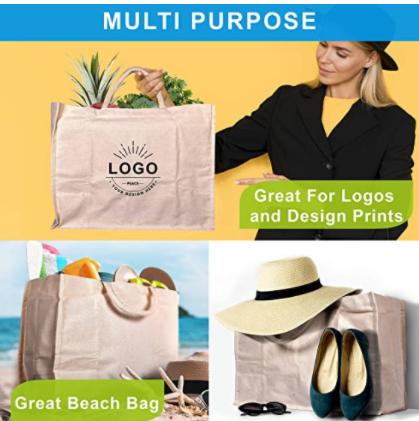
A “good” Shopping Bag isn’t the same for every brand. A bakery, a jewelry store, and a hardware retailer all need different things. Use these factors as your decision map:
- Load capacity: expected weight range plus a safety margin for customer behavior.
- Handle strength: not just the material, but how it’s attached (patch, knot, heat seal, glue, stitch).
- Bottom reinforcement: the most common failure point when bags are set down hard.
- Moisture and oil resistance: critical for food, cosmetics, rainy regions, and refrigerated items.
- Print durability: resistance to scuffing, cracking, and transfer.
- Customer comfort: handle feel, edge finishing, and balance when carried.
- Operational efficiency: easy to open, stack, store, and grab during rush hours.
- End-of-life expectations: reusable vs. single-use perceptions, and how your market views each.
Material Choices That Don’t Backfire Later
Material is where most buyers either win big or suffer quietly. The best Shopping Bag material is the one that matches your product weight, your customer behavior, and your brand positioning—without adding avoidable cost or risk.
| Material Type | Strength & Feel | Best For | Watch Outs | Printing Notes |
|---|---|---|---|---|
| Paper (kraft / art paper) | Premium look, rigid structure | Retail, apparel, gifting, boutiques | Moisture sensitivity unless treated; handle attachment matters | Great for crisp branding; add lamination for scuff resistance |
| Non-woven (PP) | Light, reusable feel, flexible | Events, supermarkets, promotions | Edge fraying on low quality; can feel “cheap” if too thin | Simple graphics work well; avoid over-detailed art |
| Woven PP | Very strong, practical, long-lasting | Heavy items, bulk buying, warehouse retail | Stiffer seams; needs good finishing for a clean look | Often laminated for print clarity and wipe-clean surface |
| Cotton / canvas | Soft premium feel, high reuse | Lifestyle brands, museums, premium merch | Higher cost; lead time increases with stitching and detail | Best for bold designs; consider wash durability |
| Recycled PET (rPET) | Balanced look, modern “tech” feel | Brands emphasizing recycled materials | Needs clear quality expectations for thickness and stitching | Good for clean logos; confirm color consistency across batches |
Practical tip: start with the heaviest typical order your customer carries, then decide whether you want the bag to feel “sturdy and premium” or “light and convenient.” Those are different engineering targets.
Design and Branding Without Regrets
Your Shopping Bag is a moving billboard, but the wrong design choices can create costly failure points. Keep branding beautiful and functional at the same time:
- Handle choice: twisted paper handles, flat paper handles, cotton rope, ribbon, die-cut, webbing—each changes comfort and strength.
- Reinforcement: add handle patches or cross-stitching where customers lift the most.
- Finish: matte looks premium and hides scuffs; glossy can pop but may scratch faster.
- Color strategy: solid blacks and deep tones look sleek, but require strong rub resistance to avoid transfer.
- Size discipline: avoid “almost fits” sizes; it creates ugly bulges and increases tear risk.
- Customer behavior: if people carry it on elbows or shoulders, handle width and edge finishing matter more than you think.
A simple rule: if the bag is meant to be reused, invest in comfort. If it’s meant to look premium, invest in structure and print durability. If it’s meant for speed at checkout, invest in easy opening and stacking.
How to Specify a Shopping Bag So Suppliers Can’t Misinterpret It
Most disputes happen because the buyer says “high quality” and the factory hears “standard.” A clear spec sheet prevents surprises. Here’s a checklist you can copy into your procurement notes:
Spec checklist for a Shopping Bag
- Bag type: paper / non-woven / woven / cotton / rPET, plus any coating or lamination preference.
- Dimensions: width × height × gusset (and tolerance range).
- Material weight: GSM for paper/fabric or thickness for plastic-based materials.
- Handle details: handle length, width/diameter, material, attachment method, reinforcement patch size.
- Bottom structure: single layer, double layer, insert board, folded base, glue type.
- Artwork: vector file format, color matching expectations, print method, and print area.
- Performance target: expected load (kg/lb), carry time, and typical environment (rain, cold chain, oils).
- Packing method: how many per bundle, carton size limit, pallet preference if relevant.
- Sampling: pre-production sample, approval steps, and what counts as “pass/fail.”
If you only do one thing: define the “worst normal day” for your customers. That single sentence makes your spec realistic. Example: “The bag must carry two glass bottles plus boxed items for a 10-minute walk, including occasional light rain.”
Quality Checks You Can Do Before Mass Production
You don’t need a lab to catch most Shopping Bag issues early. You need a repeatable routine. Before approving bulk production, run these practical checks on samples:
- Load test: put your actual products inside, lift by the handles, and hold for 60 seconds. Repeat 10 times.
- Drop test: drop the loaded bag from knee height to simulate real handling.
- Handle pull: tug firmly at different angles; watch for glue separation or tearing.
- Rub test: rub printed areas with dry hands, then with slightly damp hands to see if ink transfers.
- Moisture exposure: lightly mist paper bags and observe softening, warping, or adhesive failure.
- Speed test: time how quickly staff can open and load the bag during a “rush minute.”
These simple tests reveal whether your bag works for your customers—not just whether it looks good on a desk.
Cost, Lead Time, and Logistics: The Hidden Math
A Shopping Bag can be “cheap per unit” and still expensive overall if it inflates shipping volume, slows down packing, or causes reorders due to failures. Think in totals, not just piece price.
| Cost Driver | Why It Matters | How to Control It |
|---|---|---|
| Material weight | Heavier isn’t always better; it affects price and shipping | Set a realistic load target, then engineer structure |
| Printing complexity | More colors and coverage can increase cost and defect rate | Use strong contrast; avoid unnecessary full-bleed prints |
| Handle & reinforcement | The best branding fails if the handle tears | Prioritize attachment quality over “fancy” handle material |
| Packing method | Bundles and carton size affect warehouse efficiency | Define bundle count, carton limits, and storage constraints early |
If you manage multiple locations, consider standardizing a small set of sizes. Too many SKUs increase mistakes and slow staff down.
Common Use Cases and Recommended Builds
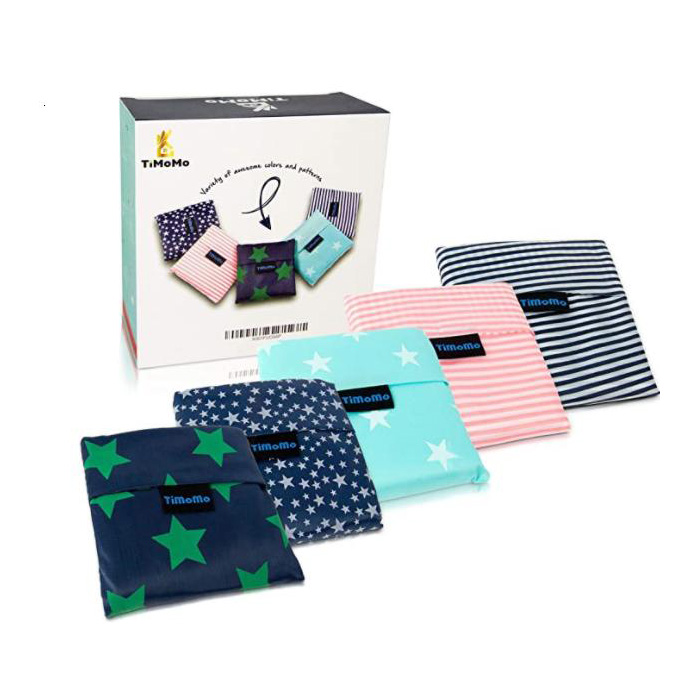
Use-case thinking makes the Shopping Bag decision easier. Below are practical build recommendations you can adapt:
| Use Case | Recommended Bag Type | Key Build Features |
|---|---|---|
| Boutique apparel | Structured paper bag | Reinforced handle patches, clean matte finish, stable bottom |
| Cosmetics | Paper or laminated woven PP | Scuff resistance, moisture tolerance, crisp printing |
| Food takeaway | Paper bag with barrier option | Oil/moisture resistance, easy opening, dependable bottom |
| Events & promotions | Non-woven PP | Lightweight, large print area, comfortable carry |
| Heavy retail (bottles / hardware) | Woven PP or reinforced paper | Strong seams, reinforced bottom, handle strength priority |
How Ningbo Yongxin Industry co., Ltd. Supports Your Bag Project
When you work with a supplier, you’re not just ordering a Shopping Bag—you’re coordinating artwork, materials, production timelines, and quality expectations. Ningbo Yongxin Industry co., Ltd. focuses on turning your real-world needs into a clear build plan, then helping you move from sample approval to stable bulk output.
What you can expect from a well-managed bag program
- Material guidance that matches your product weight, store environment, and brand impression.
- Customization support for sizes, handles, finishes, and printing so the final output matches your approved sample.
- Practical sampling that lets you test load, rub resistance, and handling comfort before mass production.
- Clear packing plans to keep storage and shipping efficient across warehouses or store networks.
- Documentation-ready communication so your internal teams can review specs, approvals, and changes without confusion.
If you’ve been burned by inconsistent batches or vague specs, the fastest improvement is a tighter loop: define targets, approve a true-to-life sample, then lock in production details that protect consistency.
FAQ
- How do I choose the right size for a Shopping Bag?
- Start with your most common product dimensions and your highest-volume order. Leave enough room for easy packing without forcing the bag to bulge. If you sell boxed goods, measure the box plus a small clearance for quick insertion.
- Why do handles fail even on thick bags?
- Handle failure is usually an attachment problem, not a thickness problem. Reinforcement patches, glue quality, stitch patterns, and handle hole finishing often matter more than the base material weight.
- How can I prevent ink from rubbing off?
- Confirm print method and finishing choices early. For high-contact areas, consider a finish that improves scuff resistance, and test with a simple rub routine using both dry and slightly damp hands.
- Is paper always the best choice for a premium look?
- Paper is a classic premium option because it holds structure and prints sharply, but some modern brands achieve a premium feel with well-finished reusable materials. The key is consistent construction: clean edges, comfortable handles, and a stable base.
- What’s the fastest way to reduce total cost without lowering quality?
- Standardize sizes where possible, simplify print coverage, and optimize packing. Many projects save more through smarter cartons and bundle counts than by cutting the bag’s core performance features.
Ready to Upgrade Your Shopping Bag Experience?
If your current Shopping Bag is causing complaints, wasting staff time, or underselling your brand, you don’t need guesswork—you need a clear spec, a true-to-life sample test, and stable bulk production. Tell us your use case, target size, expected load, and preferred style, and we’ll help map out a bag solution that fits your business reality.
Want a bag that carries well, prints cleanly, and arrives ready for fast store operations? Contact us to discuss your requirements and get a tailored proposal.
Send Inquiry


X
We use cookies to offer you a better browsing experience, analyze site traffic and personalize content. By using this site, you agree to our use of cookies.
Privacy Policy