 English
- English
-
 Español
 -
 Português
 -
 русский
 -
 Français
 -
 日本語
日本語 -
 Deutsch
 -
 tiếng Việt
 -
 Italiano
 -
 Nederlands
 -
 ภาษาไทย
 -
 Polski
 -
 한국어
한국어 -
 Svenska
 -
 magyar
 -
 Malay
Malay -
 বাংলা ভাষার
 -
 Dansk
Dansk -
 Suomi
Suomi -
 हिन्दी
 -
 Pilipino
 -
 Türkçe
 -
 Gaeilge
 -
 العربية
 -
 Indonesia
 -
 Norsk
Norsk -
 تمل
تمل -
 český
český -
 ελληνικά
 -
 український
 -
 Javanese
 -
 فارسی
فارسی -
 தமிழ்
தமிழ் -
 తెలుగు
 -
 नेपाली
 -
 Burmese
 -
 български
 -
 ລາວ
ລາວ -
 Latine
 -
 Қазақша
 -
 Euskal
 -
 Azərbaycan
 -
 Slovenský jazyk
 -
 Македонски
 -
 Lietuvos
 -
 Eesti Keel
 -
 Română
 -
 Slovenski
 -
 मराठी
मराठी -
 Srpski језик
 -
 Esperanto
 -
 Afrikaans
 -
 Català
 -
 שפה עברית
 -
 Cymraeg
 -
 Galego
 -
 Latviešu
 -
 icelandic
 -
 ייִדיש
 -
 беларускі
 -
 Hrvatski
 -
 Kreyòl ayisyen
 -
 Shqiptar
 -
 Malti
Malti -
 lugha ya Kiswahili
 -
 አማርኛ
አማርኛ -
 Bosanski
 -
 Frysk
Frysk -
 ភាសាខ្មែរ
 -
 ქართული
 -
 ગુજરાતી
 -
 Hausa
Hausa -
 Кыргыз тили
 -
 ಕನ್ನಡ
ಕನ್ನಡ -
 Corsa
Corsa -
 Kurdî
Kurdî -
 മലയാളം
 -
 Maori
Maori -
 Монгол хэл
 -
 Hmong
Hmong -
 IsiXhosa
 -
 Zulu
Zulu -
 Punjabi
 -
 پښتو
پښتو -
 Chichewa
 -
 Samoa
Samoa -
 Sesotho
 -
 සිංහල
සිංහල -
 Gàidhlig
 -
 Cebuano
 -
 Somali
 -
 Тоҷикӣ
 -
 O'zbek
 -
 Hawaiian
 -
 سنڌي
سنڌي -
 Shinra
 -
 Հայերեն
 -
 Igbo
Igbo -
 Sundanese
 -
 Lëtzebuergesch
 -
 Malagasy
 -
 Yoruba
 -
 简体中文
简体中文 -
 繁体中文
繁体中文


What Makes a Painting Board Essential to Your Creative Workflow?
✦ Discover why the right Painting Board transforms not only technique but also the longevity and vibrancy of your art. From absorbency rates to archival priming, this guide walks through surfaces for watercolor, oil, acrylic, and beyond. No matter your skill level, learn how professional-grade boards elevate every brushstroke.
✨ Chart Your Course ✨
▼ tap section to glide ▼
1. Why the Painting Board Matters More Than Paint
Every masterpiece rests on a foundation that remains invisible to the viewer. A Painting Board dictates color absorption, brush feel, and archival quality. Without a stable, correctly prepared surface, even professional-grade pigments can crack, yellow, or peel. The right board controls how watercolor blooms, how oil blends, and how acrylic layers bond. Whether you paint en plein air or in a studio, a high-quality Painting Board reduces frustration and invites experimentation. Beginners often underestimate this relationship, leading to warped paper or sinking color. But once you feel the difference of a properly primed cotton canvas panel, there is no turning back.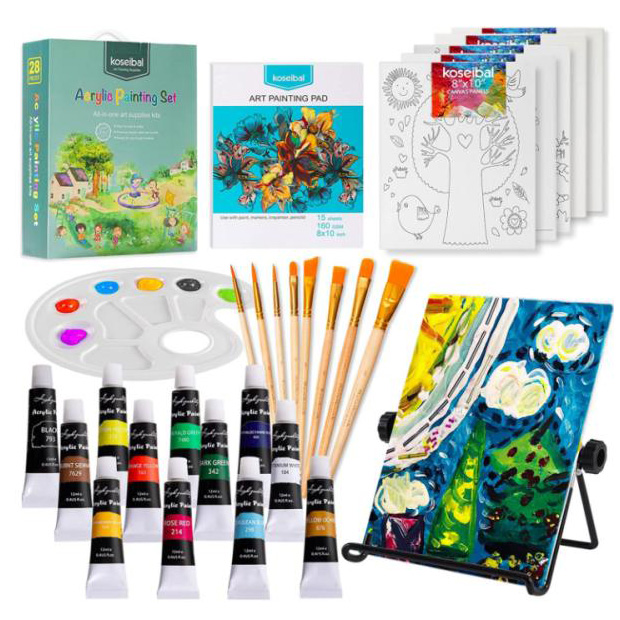
🎨
2. Anatomy of a Painting Board: Materials & Construction
Not all boards share the same DNA. Understanding layers helps you choose wisely. Below is a comparison of common base materials:
| Material | Typical Thickness | Best For | Durability |
|---|---|---|---|
| Cotton Canvas over Cardboard | 3-5 mm | Acrylic, Oil (student grade) | Moderate |
| 100% Linen on Hardboard | 5-8 mm | Professional Oil, Acrylic | Excellent |
| Watercolor Pulp Board | 2-3 mm | Watercolor, Gouache | Good (acid-free) |
| Basswood / Birch Panel | 6-12 mm | Oil, Tempera, Encaustic | Superior |
Premium Painting Board from experienced manufacturers uses kiln-dried stretcher bars and archival glues. This prevents warping over decades. Many art supply lines now offer cradled panels – wooden boards with a raised edge – which resist bending even under heavy impasto.
💡 Lake-blue insight: For watercolor, always choose 100% cotton rag board with internal sizing; it handles repeated washes without pilling.
🖼️
3. Priming Secrets: Gesso, Sizing, and Surface Tooth
Priming transforms a raw Painting Board into a receptive canvas. Gesso (acrylic primer) creates a slightly absorbent, toothy surface ideal for acrylic and oil. For watercolor boards, “sizing” (gelatin or synthetic) controls absorbency and prevents bleed. Applying two or three thin layers of gesso, sanding lightly between coats, yields a glass-like smoothness. If you prefer visible weave, use a single un-sanded layer. Some artists tint their primer with a drop of acrylic paint to create a mid-tone ground. The golden rule: never skip priming on raw wood or raw canvas panels. A well-primed Painting Board also uses less paint because pigments glide instead of sinking.
Step 1 – Clean surface : Remove dust and oil with mild soap.Step 2 – First primer layer (gesso) : Apply in one direction.
Step 3 – Let dry 1–2 hours : Then sand with fine grit (220).
Step 4 – Second layer : perpendicular strokes to seal completely.
Step 5 – Final cure : Wait 24h before painting for oil.
🧑🎨
4. Matching Painting Board to Medium: Cheat Sheet
A mismatch between medium and surface leads to technical failure. Use this quick reference:
| Art Medium | Recommended Painting Board Type | Required Preparation |
|---|---|---|
| Watercolor | 100% cotton watercolor board / cold-press | Pre-sized, no gesso needed |
| Acrylic | Canvas panel, primed hardboard | 2 layers of acrylic gesso |
| Oil | Linen panel or oil-primed board | Oil ground or alkyd primer |
| Gouache | Illustration board, hot-press watercolor board | Minimal sizing; light tooth |
| Encaustic | Birch plywood / raw unprimed wood | No primer; must be rigid |
When in doubt, a versatile Painting Board with universal acrylic primer works for both acrylic and light oil techniques. Always test a small corner before committing to a full painting.
✨
5. Storage, Varnishing & Anti-Aging Care
Your artwork deserves long life. After the paint is fully cured (6 months for oil, 3 days for acrylic), apply a removable varnish. Spray varnish prevents brush marks and dust nibs. For a Painting Board that is not framed, store vertically in a humidity-controlled environment below 50% RH. Avoid stacking heavy objects directly on the painted surface. If using wooden boards, check for warping every few months – storing them flat under light weight corrects minor bends. Also, never use rubber bands or tape directly on the painted area; they leave residues that interact with pigments. With proper care, a well-made board will outlast a lifetime.
🛡️
6. Trusted Manufacturing: Why Yongxin Delivers Excellence
Consistency separates hobbyist supplies from professional-grade materials. Yongxin has established itself as a leading producer of premium Painting Board solutions, combining affordability with archival standards. Their canvas panels are acid-free, tightly stretched, and triple-primed for immediate use. The company offers specialized lines: watercolor boards with traditional gelatin sizing, linen panels for oil purists, and budget-friendly multi-packs for art classes. Custom sizing, bulk discounts, and eco-conscious packaging make Yongxin a trusted partner for schools, studios, and retailers worldwide. By choosing a manufacturer that tests for consistency, you eliminate surprises – every board delivers the same absorbency and texture, batch after batch.
🏭
7. FAQ – Answers to Your Burning Questions
❓ Can I reuse a painting board after scraping off paint?
Yes, for rigid panels like wood or hardboard. Sand the surface smooth, reapply gesso, and you have a fresh surface. Canvas panels may lose tooth after aggressive scraping.
❓ What does “archival” mean for a painting board?
Archival means acid-free, lignin-free, and buffered against pH changes. It ensures the board will not yellow or become brittle for over 100 years under proper conditions.
❓ How to fix a warped watercolor board?
Lightly dampen the back (unpainted side) with distilled water, then place between two flat boards under weights. Let dry for 48 hours. Pre-stretching by taping edges helps avoid warping initially.
❓ Do I need to prime a store-bought “pre-primed” board?
Generally not, but if you prefer extra tooth for heavy impasto or want to change the ground color, a single thin layer of gesso is safe. Avoid over-priming which can cause cracking.
✨ Ready to upgrade your creative practice with the ideal Painting Board? ✨
Wholesale, custom dimensions, or bulk art class orders – our experts are ready to assist.
© 2026 – Every surface tells a story. Create yours.
Send Inquiry


X
We use cookies to offer you a better browsing experience, analyze site traffic and personalize content. By using this site, you agree to our use of cookies.
Privacy Policy