 English
- English
-
 Español
 -
 Português
 -
 русский
 -
 Français
 -
 日本語
日本語 -
 Deutsch
 -
 tiếng Việt
 -
 Italiano
 -
 Nederlands
 -
 ภาษาไทย
 -
 Polski
 -
 한국어
한국어 -
 Svenska
 -
 magyar
 -
 Malay
Malay -
 বাংলা ভাষার
 -
 Dansk
Dansk -
 Suomi
Suomi -
 हिन्दी
 -
 Pilipino
 -
 Türkçe
 -
 Gaeilge
 -
 العربية
 -
 Indonesia
 -
 Norsk
Norsk -
 تمل
تمل -
 český
český -
 ελληνικά
 -
 український
 -
 Javanese
 -
 فارسی
فارسی -
 தமிழ்
தமிழ் -
 తెలుగు
 -
 नेपाली
 -
 Burmese
 -
 български
 -
 ລາວ
ລາວ -
 Latine
 -
 Қазақша
 -
 Euskal
 -
 Azərbaycan
 -
 Slovenský jazyk
 -
 Македонски
 -
 Lietuvos
 -
 Eesti Keel
 -
 Română
 -
 Slovenski
 -
 मराठी
मराठी -
 Srpski језик
 -
 Esperanto
 -
 Afrikaans
 -
 Català
 -
 שפה עברית
 -
 Cymraeg
 -
 Galego
 -
 Latviešu
 -
 icelandic
 -
 ייִדיש
 -
 беларускі
 -
 Hrvatski
 -
 Kreyòl ayisyen
 -
 Shqiptar
 -
 Malti
Malti -
 lugha ya Kiswahili
 -
 አማርኛ
አማርኛ -
 Bosanski
 -
 Frysk
Frysk -
 ភាសាខ្មែរ
 -
 ქართული
 -
 ગુજરાતી
 -
 Hausa
Hausa -
 Кыргыз тили
 -
 ಕನ್ನಡ
ಕನ್ನಡ -
 Corsa
Corsa -
 Kurdî
Kurdî -
 മലയാളം
 -
 Maori
Maori -
 Монгол хэл
 -
 Hmong
Hmong -
 IsiXhosa
 -
 Zulu
Zulu -
 Punjabi
 -
 پښتو
پښتو -
 Chichewa
 -
 Samoa
Samoa -
 Sesotho
 -
 සිංහල
සිංහල -
 Gàidhlig
 -
 Cebuano
 -
 Somali
 -
 Тоҷикӣ
 -
 O'zbek
 -
 Hawaiian
 -
 سنڌي
سنڌي -
 Shinra
 -
 Հայերեն
 -
 Igbo
Igbo -
 Sundanese
 -
 Lëtzebuergesch
 -
 Malagasy
 -
 Yoruba
 -
 简体中文
简体中文 -
 繁体中文
繁体中文


How DIY Educational Toys Unlock Lifelong Learning & Creativity
Summary: From boosting problem-solving to nurturing STEM curiosity, hands-on creation changes how children interact with knowledge. This guide explores real benefits, project ideas, material safety, and expert strategies. Discover why DIY Educational Toys are more than play—they are the building blocks of future innovators.
📖 Table of Contents
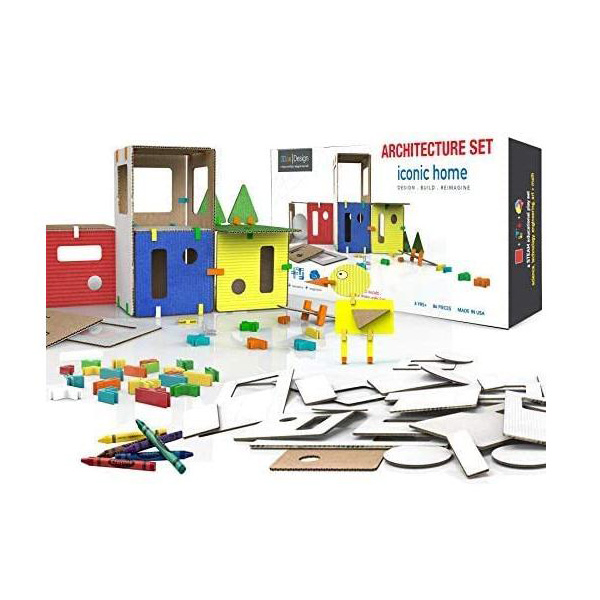
In an era of screens and instant entertainment, DIY Educational Toys offer a refreshing return to tactile, brain-building fun. These kits and homemade projects blend art, engineering, and logic into engaging challenges. Unlike static toys, they invite children to cut, glue, assemble, and experiment — turning abstract concepts into tangible results. Whether it’s a cardboard spaceship or a working model of a pulley, each creation reinforces resilience, curiosity, and technical intuition.
1 Why Hands-On Building Beats Passive Play
Children naturally learn by doing. When they manipulate materials, measure distances, or test balance, neural connections multiply. Research from child development institutes shows that constructive play enhances executive functions — planning, focus, and self-regulation. Moreover, completing a self-made toy provides immense satisfaction, boosting self-esteem. Passive toys with fixed outcomes (like pre-assembled plastic vehicles) rarely stimulate the same depth of inquiry. In contrast, DIY Educational Toys encourage “what if” moments: What if I add another wheel? What if I use a different adhesive? This iterative thinking mirrors real-world engineering.
2 Core Skills Kids Develop Through DIY Creation
● Critical thinking & troubleshooting – When a structure wobbles, children hypothesize why and adjust.
● Fine motor precision – Cutting, threading, and small-part assembly refine hand muscles.
● STEM fundamentals – Gears, levers, circuits become intuitive through building.
● Creative confidence – Personalizing designs fosters original thinking.
● Patience & grit – Projects rarely succeed on the first try, teaching iteration.
● Fine motor precision – Cutting, threading, and small-part assembly refine hand muscles.
● STEM fundamentals – Gears, levers, circuits become intuitive through building.
● Creative confidence – Personalizing designs fosters original thinking.
● Patience & grit – Projects rarely succeed on the first try, teaching iteration.
Many educators integrate DIY projects into classrooms to bridge theory and practice. For instance, building a simple catapult teaches physics (force, trajectory) while remaining pure fun. The social aspect — collaborating or presenting creations — sharpens communication skills as well.
3 Top STEM Project Ideas for Ages 4-12
Below are popular categories that align with developmental stages. Each can be sourced from kits or everyday recyclables.
| Age Group | Project Example | STEM Focus |
|---|---|---|
| 3–5 years | Cardboard weaving looms / sticker puzzles | Pattern recognition, motor planning |
| 6–8 years | DIY marble run (paper tubes & boxes) | Gravity, slope, speed |
| 9–12 years | Simple circuit paper flashlight | Electricity, closed circuits |
| All ages | Upcycled robot from bottle caps & motors | Design thinking, recycling |
Yongxin Industry offers ready-to-assemble kits like Puzzle Games Kids Stickers DIY Funny Education Toys and Kids DIY Magic Seascape Art Drawings, which blend artistic expression with structural logic. These products reduce prep time while preserving the “build it yourself” spirit. When children engage with DIY Educational Toys from reliable manufacturers, safety and educational value are already integrated.
4 Selecting Safe & Sustainable Materials
Safety is paramount. Look for non-toxic adhesives, rounded edges, and BPA-free plastics. Wooden parts should be smooth without splinters. Many parents prefer natural materials: cardboard, wool, cork, and water-based paints. Yongxin Industry emphasizes compliance with international toy safety standards (EN71, ASTM). Sustainable choices also teach environmental stewardship — repurposing egg cartons, bottle caps, and fabric scraps turns waste into wonder. Always supervise younger children with small parts or scissors. A balanced kit includes both structural elements (sticks, connectors) and decorative items (googly eyes, markers).
Pro tip: Create a “maker bin” with tape, cardboard tubes, string, and wheels. Kids will spontaneously invent DIY Educational Toys that reflect their current interests — from parking garages to fairy houses.
5 How Parents & Teachers Facilitate Effectively
Guidance without overstepping is an art. Ask open-ended questions: “What do you notice?” “How could we make it stable?” Resist the urge to fix mistakes; allow productive failure. Set up a dedicated workspace with accessible tools. For groups, rotate roles (materials manager, builder, tester). Praise the process (“You tried three ways to attach the wheels!”) rather than just the result. Educators can tie projects to curriculum — for example, building a model of a water filtration system after a science unit on pollution. Documentation (photos, sketches) helps kids reflect on iterations. By integrating DIY Educational Toys into weekly routines, adults cultivate a growth mindset that transcends playtime.
6 Frequently Asked Questions
Are DIY educational toys suitable for children with learning differences?
Absolutely. Hands-on, self-paced building is beneficial for kids with ADHD, dyslexia, or autism. It reduces frustration from writing and offers sensory feedback. Choose projects with clear, visual steps and allow flexibility in outcomes.
How can I source affordable DIY materials in bulk?
Look for recycling centers, ask local stores for cardboard donations, or purchase basic components (wooden dowels, rubber bands, LED lights) online. Companies like Yongxin offer wholesale classroom kits that include pre-cut safe parts.
What’s the difference between DIY kits and full free-form making?
Kits provide guided structure, ideal for beginners or when learning specific concepts (gears, circuits). Free-form making fosters open-ended creativity. A mix of both is optimal — start with kits to build confidence, then transition to junk modeling.
Do these toys align with school STEM standards?
Yes, when designed purposefully. For example, building a bridge teaches NGSS engineering design standards (3-5-ETS1). Many educators use DIY projects for assessment of collaboration and application.
✨ Ready to transform learning through building? ✨
Contact us today to explore custom kits, wholesale pricing, and expert guidance for your classroom or home. Let’s craft the innovators of tomorrow — one toy at a time.
📩 Inquire Now →© 2026 Yongxin Industry – Empowering young makers worldwide.
Send Inquiry


X
We use cookies to offer you a better browsing experience, analyze site traffic and personalize content. By using this site, you agree to our use of cookies.
Privacy Policy