 English
- English
-
 Español
 -
 Português
 -
 русский
 -
 Français
 -
 日本語
日本語 -
 Deutsch
 -
 tiếng Việt
 -
 Italiano
 -
 Nederlands
 -
 ภาษาไทย
 -
 Polski
 -
 한국어
한국어 -
 Svenska
 -
 magyar
 -
 Malay
Malay -
 বাংলা ভাষার
 -
 Dansk
Dansk -
 Suomi
Suomi -
 हिन्दी
 -
 Pilipino
 -
 Türkçe
 -
 Gaeilge
 -
 العربية
 -
 Indonesia
 -
 Norsk
Norsk -
 تمل
تمل -
 český
český -
 ελληνικά
 -
 український
 -
 Javanese
 -
 فارسی
فارسی -
 தமிழ்
தமிழ் -
 తెలుగు
 -
 नेपाली
 -
 Burmese
 -
 български
 -
 ລາວ
ລາວ -
 Latine
 -
 Қазақша
 -
 Euskal
 -
 Azərbaycan
 -
 Slovenský jazyk
 -
 Македонски
 -
 Lietuvos
 -
 Eesti Keel
 -
 Română
 -
 Slovenski
 -
 मराठी
मराठी -
 Srpski језик
 -
 Esperanto
 -
 Afrikaans
 -
 Català
 -
 שפה עברית
 -
 Cymraeg
 -
 Galego
 -
 Latviešu
 -
 icelandic
 -
 ייִדיש
 -
 беларускі
 -
 Hrvatski
 -
 Kreyòl ayisyen
 -
 Shqiptar
 -
 Malti
Malti -
 lugha ya Kiswahili
 -
 አማርኛ
አማርኛ -
 Bosanski
 -
 Frysk
Frysk -
 ភាសាខ្មែរ
 -
 ქართული
 -
 ગુજરાતી
 -
 Hausa
Hausa -
 Кыргыз тили
 -
 ಕನ್ನಡ
ಕನ್ನಡ -
 Corsa
Corsa -
 Kurdî
Kurdî -
 മലയാളം
 -
 Maori
Maori -
 Монгол хэл
 -
 Hmong
Hmong -
 IsiXhosa
 -
 Zulu
Zulu -
 Punjabi
 -
 پښتو
پښتو -
 Chichewa
 -
 Samoa
Samoa -
 Sesotho
 -
 සිංහල
සිංහල -
 Gàidhlig
 -
 Cebuano
 -
 Somali
 -
 Тоҷикӣ
 -
 O'zbek
 -
 Hawaiian
 -
 سنڌي
سنڌي -
 Shinra
 -
 Հայերեն
 -
 Igbo
Igbo -
 Sundanese
 -
 Lëtzebuergesch
 -
 Malagasy
 -
 Yoruba
 -
 简体中文
简体中文 -
 繁体中文
繁体中文


How Can DIY Paper Puzzle Toys Make Learning Feel Like Play?
Abstract: DIY Paper Puzzle Toys are more than a cute craft—when designed well, they become a practical solution to common parent and educator headaches: too much screen time, “I’m bored” meltdowns, short attention spans, and activities that create a huge mess for a tiny payoff. This guide explains what to look for, how to choose the right difficulty, how to keep kids engaged without constant adult intervention, and how to turn paper puzzles into meaningful learning moments at home, in classrooms, and in after-school programs.
Table of Contents
Outline
- Define DIY Paper Puzzle Toys and why they work
- Address real-life problems: boredom, screens, mess, and “too hard” frustration
- Give a practical selection checklist for age, difficulty, and play style
- Provide a repeatable setup routine that makes adults’ lives easier
- Show learning benefits through play (without turning it into a lecture)
- Share classroom/group variations and pacing tips
- Offer a comparison table for fast decisions
- Answer common buyer questions in FAQ
What DIY Paper Puzzle Toys Are
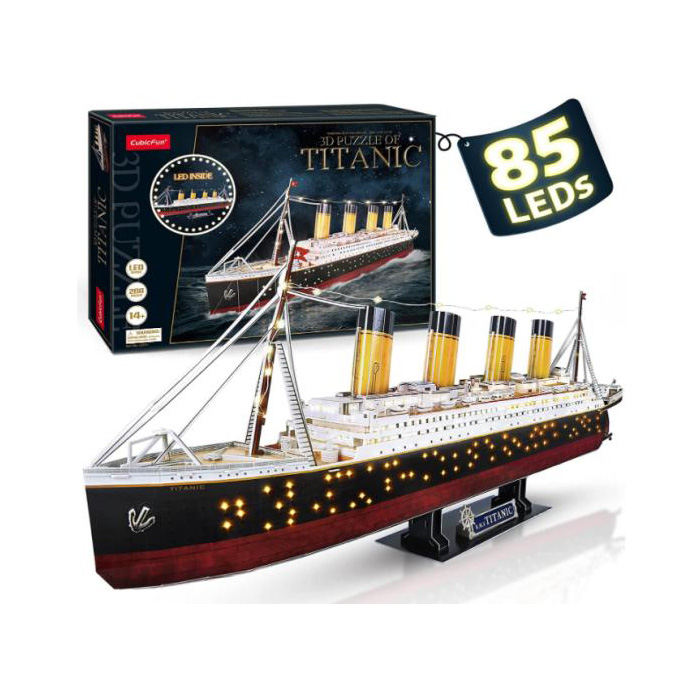
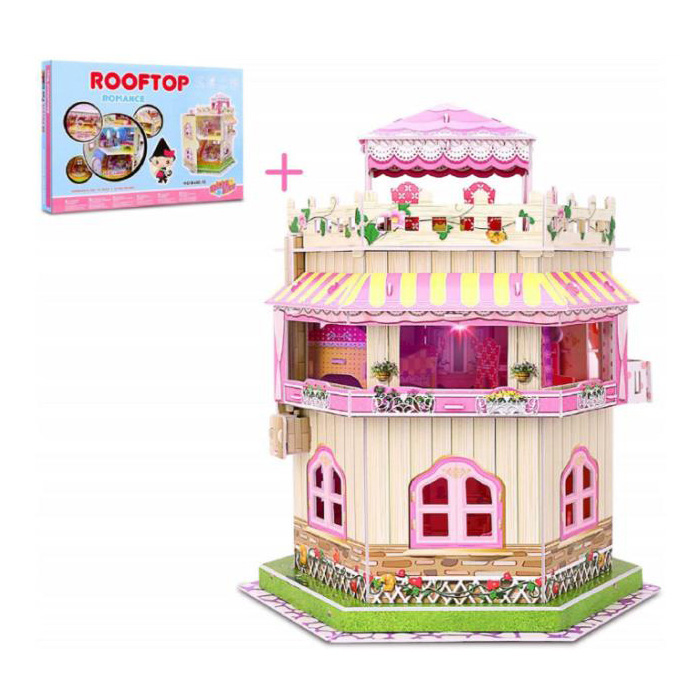
DIY Paper Puzzle Toys are hands-on activities where kids build, fold, assemble, or solve paper-based pieces to create a finished object or complete a challenge. Think of them as a hybrid between a craft kit and a logic toy: the fun comes from both the making and the “Aha!” moment when the pieces finally work together.
The best DIY Paper Puzzle Toys typically share a few traits:
- Clear progression: small wins early, bigger wins later.
- Purposeful structure: kids can follow steps without constant adult rescue.
- Replay value: extra modes, alternative builds, or multiple solutions.
- Low friction: minimal tools and a clean, organized experience.
Because paper is lightweight and flexible, these toys can deliver surprisingly rich play without taking up much space. They also travel well, store easily, and work for both solo play and group activities—huge wins for busy households and classrooms.
Common Pain Points (and What Actually Fixes Them)
Pain Point 1: “It entertained them for five minutes.”
A short activity feels like a bad deal—especially when it leaves scraps everywhere. Look for sets that include multi-stage builds or multiple puzzles in one theme. A good set should offer a “build phase” plus at least one “play phase” (role-play, challenge cards, timed missions, or mini-games).
Pain Point 2: “My kid gets frustrated and quits.”
Frustration usually comes from a mismatch in difficulty or unclear instructions. Choose kits with simple visual steps and obvious piece alignment. If your child is new to paper crafts, start with bigger parts and fewer steps. Save tiny folds and complex assembly for later.
Pain Point 3: “I don’t have time to supervise the whole thing.”
A parent-friendly kit is one where kids can make decisions safely and independently. The ideal experience is: you set up, they run it, you admire the result. Prioritize sets with numbered parts, clean cut lines, and clear “this side up” cues.
Pain Point 4: “It’s messy, and I’m still finding pieces days later.”
Paper can be neat—if the kit is designed for neatness. Choose sets that separate components, include a logical order, and don’t require a dozen extra materials. A single zip pouch or folder system can transform the experience from chaos to calm.
Pain Point 5: “I want something educational, but not boring.”
Kids don’t hate learning—they hate being forced to perform. A well-made paper puzzle naturally trains attention, sequencing, pattern recognition, spatial reasoning, and patience. The key is choosing a set that feels like a game first and a lesson second.
How to Choose the Right Set
When you’re buying DIY Paper Puzzle Toys, don’t start with the theme—start with the experience. Use this checklist:
- Age-fit (real, not “marketing age”): If your child struggles with fine motor tasks, pick larger pieces and fewer folds.
- Time window: Do you need a 15-minute calm-down activity or a full weekend project?
- Independence level: Can your child follow picture steps alone, or do they need guided help?
- Purpose: Stress relief, focus training, party activity, classroom station, travel kit, or gift?
- Finish line: Will the final result be something they want to keep, play with, or display?
Here’s a practical way to match difficulty without guesswork:
- Beginner: short steps, big pieces, obvious matching, quick wins.
- Intermediate: multiple parts, moderate folds, a few tricky alignments.
- Advanced: precision assembly, multi-layer structures, longer build time.
If you’re sourcing for schools or programs, reliability matters even more than creativity. Look for consistent production quality, stable materials, and a design style that makes it easy to reset or distribute kits in batches.
A Simple Setup Routine That Prevents Chaos
Most “paper activity disasters” happen before the kid even starts. Try this quick routine—especially if you want calmer, more independent play:
- Choose a boundary: a tray, a placemat, or a shallow box lid becomes the “work zone.”
- Sort once: group pieces by number or type before you begin.
- Set a timer for momentum: 10–15 minutes for the first session helps kids get a win quickly.
- Use a “parking spot”: a labeled envelope or folder for unfinished builds prevents loss.
- End with a show-off moment: photos, a mini-display shelf, or a “finished wall” keeps motivation high.
This routine isn’t about being strict—it’s about making success easy. The calmer the start, the longer kids stick with the puzzle, and the less “adult rescue” you’ll need.
Skills Kids Build Without Feeling “Taught”
DIY Paper Puzzle Toys quietly build competencies that show up everywhere—from reading comprehension to math confidence—because kids practice them in a low-pressure way:
- Following sequences: understanding order and consequences (“If I do step 6 first, it breaks step 3”).
- Spatial reasoning: flipping, rotating, and imagining how pieces fit together.
- Fine motor control: pinching, folding, aligning edges, and careful placement.
- Problem-solving: testing, adjusting, and trying again—without a “wrong answer” vibe.
- Emotional resilience: learning that frustration is part of building something real.
For families trying to reduce screen time, paper puzzles offer something screens can’t: a tangible result. Kids get a physical sense of completion—and that often improves confidence and focus in other tasks.
For educators, these kits can become reliable stations for independent work, early finishers, or collaborative challenges that reward teamwork without requiring complicated prep.
About sourcing and consistency: If you’re buying in bulk or building a long-term program, partnering with a stable manufacturer helps maintain consistent size, print clarity, and kit organization. Ningbo Yongxin Industry co., Ltd. focuses on developing DIY paper puzzle experiences that are designed to be engaging, structured, and easy to adopt for different learning and play environments.
Classroom and Group Activity Ideas
DIY Paper Puzzle Toys work beautifully in groups when you assign roles and keep the pace visible. Here are a few options that scale well:
- Team Build Relay: each person completes one step, then passes the kit along.
- Instruction Detective: one student reads the next step out loud while others execute.
- Error Hunt: intentionally mix two pieces; teams must identify and correct the mismatch.
- Gallery Walk: finished builds are displayed; teams vote on “most creative,” “cleanest build,” or “best teamwork.”
- Time Challenge (friendly): repeat the same build later and track improved speed and accuracy.
These activities encourage communication and shared problem-solving without making any student feel singled out. Everyone contributes, and the finished result becomes a shared win.
Quick Comparison Table
| Need | Best Puzzle Style | Why It Works | Suggested Session Length |
|---|---|---|---|
| Fast boredom fix | Short build + immediate play | Kids get quick success and keep going | 15–25 minutes |
| Reduce screen time | Multi-stage puzzle kit | Longer engagement without constant novelty | 30–60 minutes |
| Independent quiet time | Numbered steps + clear visuals | Less adult intervention, fewer mistakes | 20–45 minutes |
| Classroom station | Repeatable builds + easy reset | Predictable setup and smooth rotation | 10–20 minutes per group |
| Gift that feels “special” | Display-worthy finished model | Kids keep it, show it off, and remember it | 45–90 minutes |
FAQ
- Are DIY Paper Puzzle Toys only for little kids?
- Not at all. Difficulty varies widely. Some sets are made for early learners with large parts and simple folds, while advanced builds can challenge older kids and even adults who enjoy hands-on puzzles.
- Do I need scissors or glue?
- It depends on the set. Many kits are designed to minimize extra tools, while others include optional steps for stronger structures. If you’re buying for classrooms or quick home sessions, choose kits that keep tool requirements simple.
- What if my child tears a piece?
- Tears happen—especially during the learning phase. A good approach is to treat it as part of the process: use transparent tape on the back side and continue. For repeat activities, consider keeping a small “repair kit” with tape and a spare envelope.
- How do I prevent “I can’t do it” frustration?
- Start easier than you think. Let your child get a quick win, then level up gradually. Also, break the project into two sessions: “build the base” today, “finish and play” tomorrow.
- Can these activities work in groups?
- Yes—especially if you assign roles (builder, step-reader, sorter). Group play becomes smoother when kits have clear piece labeling and a predictable build sequence.
- What makes a paper puzzle feel premium rather than disposable?
- Clear printing, sturdy materials, thoughtful step design, and a finished model that kids actually want to keep. The best sets feel like a real toy at the end, not just a worksheet in disguise.
Next Steps
If you’re choosing DIY Paper Puzzle Toys for home, start with one set that matches your child’s current patience level—then build up complexity over time. If you’re sourcing for schools, retailers, or activity programs, focus on consistency, ease of use, and designs that scale across age groups and settings.
Want to explore structured, engaging DIY paper puzzle solutions for your market or program? Contact us to discuss product options, customization ideas, and how to create paper puzzle experiences kids will actually finish—and proudly show off.
Send Inquiry


X
We use cookies to offer you a better browsing experience, analyze site traffic and personalize content. By using this site, you agree to our use of cookies.
Privacy Policy