 English
- English
-
 Español
 -
 Português
 -
 русский
 -
 Français
 -
 日本語
日本語 -
 Deutsch
 -
 tiếng Việt
 -
 Italiano
 -
 Nederlands
 -
 ภาษาไทย
 -
 Polski
 -
 한국어
한국어 -
 Svenska
 -
 magyar
 -
 Malay
Malay -
 বাংলা ভাষার
 -
 Dansk
Dansk -
 Suomi
Suomi -
 हिन्दी
 -
 Pilipino
 -
 Türkçe
 -
 Gaeilge
 -
 العربية
 -
 Indonesia
 -
 Norsk
Norsk -
 تمل
تمل -
 český
český -
 ελληνικά
 -
 український
 -
 Javanese
 -
 فارسی
فارسی -
 தமிழ்
தமிழ் -
 తెలుగు
 -
 नेपाली
 -
 Burmese
 -
 български
 -
 ລາວ
ລາວ -
 Latine
 -
 Қазақша
 -
 Euskal
 -
 Azərbaycan
 -
 Slovenský jazyk
 -
 Македонски
 -
 Lietuvos
 -
 Eesti Keel
 -
 Română
 -
 Slovenski
 -
 मराठी
मराठी -
 Srpski језик
 -
 Esperanto
 -
 Afrikaans
 -
 Català
 -
 שפה עברית
 -
 Cymraeg
 -
 Galego
 -
 Latviešu
 -
 icelandic
 -
 ייִדיש
 -
 беларускі
 -
 Hrvatski
 -
 Kreyòl ayisyen
 -
 Shqiptar
 -
 Malti
Malti -
 lugha ya Kiswahili
 -
 አማርኛ
አማርኛ -
 Bosanski
 -
 Frysk
Frysk -
 ភាសាខ្មែរ
 -
 ქართული
 -
 ગુજરાતી
 -
 Hausa
Hausa -
 Кыргыз тили
 -
 ಕನ್ನಡ
ಕನ್ನಡ -
 Corsa
Corsa -
 Kurdî
Kurdî -
 മലയാളം
 -
 Maori
Maori -
 Монгол хэл
 -
 Hmong
Hmong -
 IsiXhosa
 -
 Zulu
Zulu -
 Punjabi
 -
 پښتو
پښتو -
 Chichewa
 -
 Samoa
Samoa -
 Sesotho
 -
 සිංහල
සිංහල -
 Gàidhlig
 -
 Cebuano
 -
 Somali
 -
 Тоҷикӣ
 -
 O'zbek
 -
 Hawaiian
 -
 سنڌي
سنڌي -
 Shinra
 -
 Հայերեն
 -
 Igbo
Igbo -
 Sundanese
 -
 Lëtzebuergesch
 -
 Malagasy
 -
 Yoruba
 -
 简体中文
简体中文 -
 繁体中文
繁体中文


Why Is a Lunch Bag the Smallest Upgrade With the Biggest Daily Payoff?
Article Abstract
A Lunch Bag seems simple—until you deal with lukewarm food, leaking containers, crushed fruit, or that mysterious “fridge smell” that follows you around. This article breaks down the real-life pain points people face when packing meals and how to solve them with smarter materials, better structure, and a routine that actually sticks.
You’ll learn how to pick the right size, keep hot and cold items stable, prevent spills, clean fast, and organize meals without turning your morning into a chaotic puzzle. I’ll also share an easy checklist, a comparison table, and a FAQ section so you can make a confident choice (and stop wasting food and time).
Contents
- What problems does a Lunch Bag actually solve?
- What features matter most when you’re choosing one?
- How do I choose the right size without guessing?
- How do I keep food at the right temperature longer?
- How can I pack without crushing, leaking, or forgetting things?
- How do I keep it clean without hating my life?
- Which style matches my routine best?
- What’s the simple plan for a better lunch routine?
- FAQ
- Next step
What problems does a Lunch Bag actually solve?
Most people don’t “fail at meal prep.” They fail at transport. The difference between a lunch you’re excited to eat and a lunch you regret is usually what happens between your kitchen and your desk.
Here are the pain points I see again and again:
- Temperature drift: salad turns warm, yogurt feels suspicious, hot food cools too fast.
- Leaks and mess: soup escapes, sauce stains, condensation turns packaging into mush.
- Crushing: bananas lose the fight, sandwiches flatten, pastries arrive “pre-chewed.”
- Smells: the bag absorbs odors and becomes “that bag” nobody wants near the meeting room.
- Wasted time: searching for utensils, napkins, or a cold pack every morning.
- Portion chaos: too small and you skip meals; too big and you overpack or carry dead space.
A good Lunch Bag isn’t just a container—it’s a system. When it’s designed well, it quietly removes friction from your day: you eat better, you spend less, and you stop relying on last-minute takeout.
What features matter most when you’re choosing one?
The best choice depends on your routine, but a few details matter almost universally. I like to think in layers: protection (temperature + structure) and practicality (how fast you can use and clean it).
My “non-negotiables” checklist:
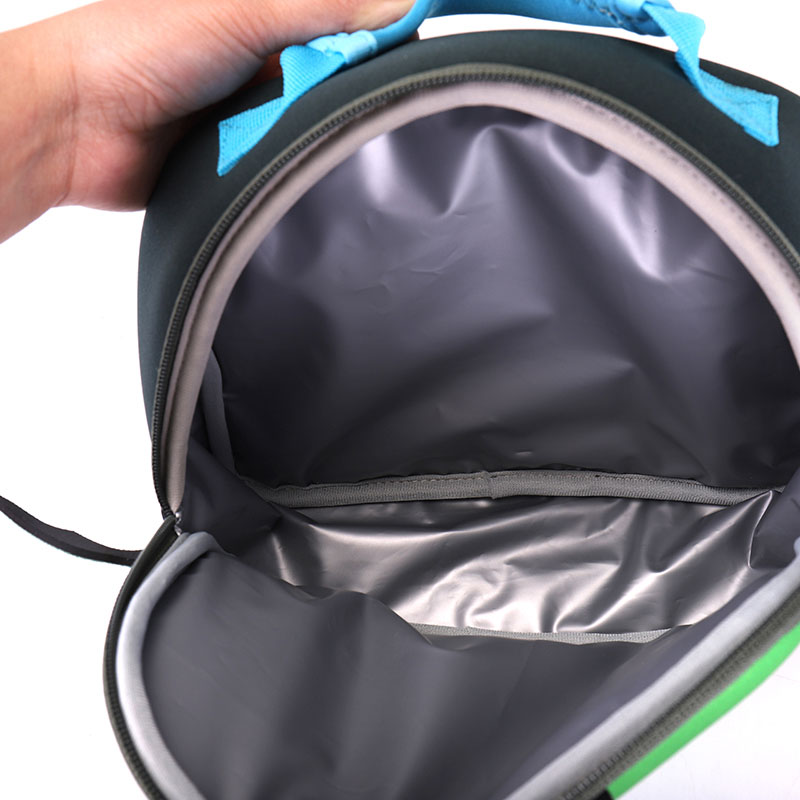
- Insulation that actually insulates (not a thin foam sheet that gives up by 10 a.m.).
- A wipeable liner that doesn’t trap smells and can handle condensation.
- Solid zipper construction that glides without snagging (because mornings are not a test of patience).
- Structure that prevents crushing—especially for fruit, baked goods, and meal containers.
- Comfortable carry (handle or strap placement that doesn’t dig in when the bag is full).
- Smart storage for small essentials (utensils, napkins, sauce packets, or wipes).
Manufacturers like Ningbo Yongxin Industry co., Ltd. focus on everyday usability—details that don’t look dramatic in a photo but make a huge difference when you’re commuting, traveling, or packing for kids.
How do I choose the right size without guessing?
“Bigger” is not automatically better. The right size is the one that matches your typical meal and your daily schedule. I use a simple mental model: Meal + Snacks + Cold pack + Extras.
Quick sizing guide (use the one that sounds like your day):
- Light lunch: one container + fruit + small drink → compact bag.
- Full meal: two containers + snack + drink + cold pack → medium bag.
- Long day: breakfast + lunch + snacks or gym add-ons → larger bag or multi-compartment style.
If you regularly carry tall bottles, bento-style boxes, or stacked containers, prioritize internal height and base stability. If your commute is crowded (subway, bus, elevator), a slimmer profile can be more comfortable than a bulky cube.
How do I keep food at the right temperature longer?
Temperature control is where a Lunch Bag earns its keep. But insulation works best when you pack with a little strategy.
Easy temperature hacks that cost nothing:
- Pre-chill or pre-warm containers: rinse with cold/hot water for 30 seconds before filling.
- Use a cold pack like a “wall”: place it between food types, not floating on top.
- Separate hot and cold: if you carry both, consider a divider or two smaller containers.
- Minimize air gaps: more empty space means faster temperature drift.
- Keep the zipper closed: obvious, but people snack, re-open, and lose the cold fast.
If you’re packing items like dairy, seafood, or cooked rice, temperature stability isn’t just about taste—it’s about staying comfortable and confident all day. A well-insulated bag paired with sensible packing habits is the simplest way to reduce risk and reduce waste.
How can I pack without crushing, leaking, or forgetting things?
The “messy bag problem” usually comes from three issues: weak containers, no structure, and no dedicated zone for small items. Fix those, and your lunch stops being a daily gamble.
My no-drama packing sequence:
- Base layer: place the heaviest, flattest container on the bottom.
- Seal check: wipe container rims, then lock lids (moisture on the rim causes leaks).
- Cold pack placement: put it against the items that need it most.
- Crush protection: fruit and baked goods go in a rigid or top area.
- Essentials pocket: utensils, napkins, wipes, and a tiny trash bag in one place.
If your bag has an extra pocket (internal or external), treat it like your “grab-and-go kit.” The fewer decisions you make in the morning, the more consistent your routine becomes. And yes—consistency is what saves money.
How do I keep it clean without hating my life?
I’m going to be blunt: if it’s annoying to clean, you won’t clean it. Then smells happen, stains happen, and suddenly you’re buying a new bag. So, the goal is a bag that supports a 30-second reset.
My 30-second reset routine:
- Daily: empty crumbs, wipe the liner, unzip and air out for 10 minutes.
- Weekly: warm soapy wipe-down, then dry fully with the bag open.
- After spills: clean immediately; odors get “sticky” when they sit overnight.
Tip: If your lunch includes strong-smelling food, store it in a sealed container first—don’t make the bag the odor absorber.
Which style matches my routine best?
Not all Lunch Bag styles behave the same in real life. This comparison is how I help people pick based on routine—not hype.
| Routine | Best-fit style | Why it works | Watch-outs |
|---|---|---|---|
| Office or school (standard day) | Medium insulated tote | Balanced capacity, easy to carry, quick access | Choose enough structure to avoid crushed items |
| Commute + crowded transit | Slim profile bag | Easier to hold close, less bumping into others | Check internal height for bottles/containers |
| Long shift or travel day | Larger capacity with pockets | Room for multiple meals + essentials kit | Don’t overpack; weight adds up fast |
| Kids’ lunches | Compact, wipeable, easy-zip | Fast cleanup, manageable size, fewer lost items | Prioritize durability and easy cleaning |
| Fitness or portion control | Multi-container friendly shape | Helps keep meals organized and consistent | Make sure insulation still performs with air gaps |
What’s the simple plan for a better lunch routine?
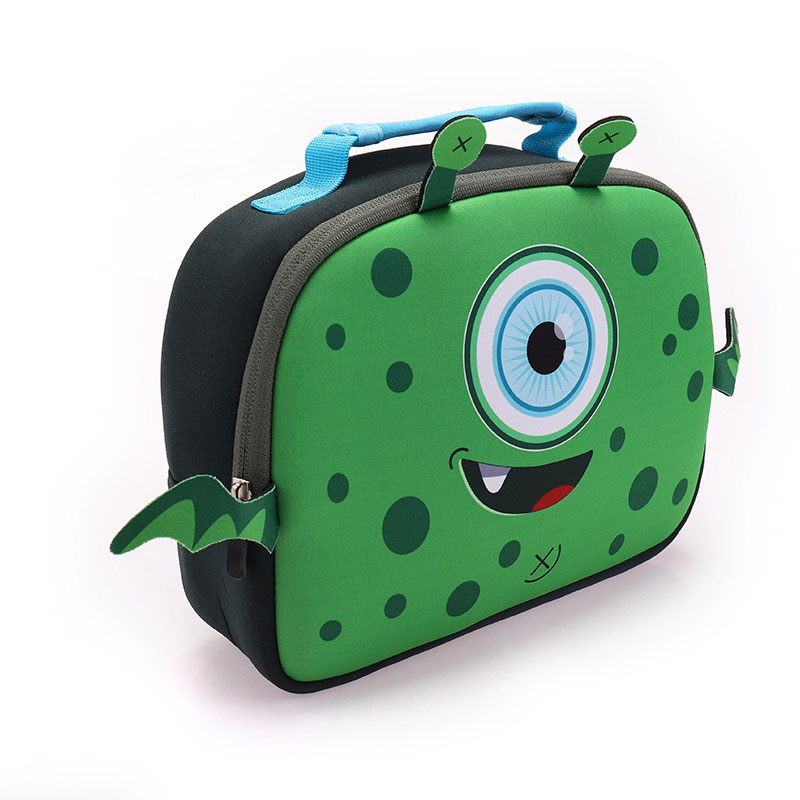
This is the part people skip: the “system.” A dependable Lunch Bag supports a repeatable routine, and a repeatable routine is what makes healthy eating and budgeting feel effortless.
Outline you can follow this week:
- Decide your standard meal format: one main + one snack + one fruit (keep it simple).
- Pick containers that stack: stacking reduces crush risk and improves temperature stability.
- Create an “essentials kit”: utensils, wipes, napkins, and a small trash bag live in the bag.
- Use a packing sequence: heavy bottom, cold pack placement, crush protection on top.
- Adopt the 30-second reset: wipe and air out daily so the bag stays fresh.
If you’ve tried meal prep and it “didn’t work,” I’d bet the bottleneck wasn’t cooking—it was the daily hassle of carrying, storing, and cleaning. Fix that, and everything else gets easier.
FAQ
Q: How often should I replace a Lunch Bag?
If the zipper is failing, insulation feels “flat,” or odors don’t disappear after cleaning and drying, it’s usually time. With regular wipe-downs and full drying, many people keep one for a long time without issues.
Q: What’s the easiest way to prevent leaks?
Use containers with reliable seals, wipe the rim before closing, and pack liquids upright against a stable wall. If you carry soups often, consider double protection: container + an extra sealed pouch.
Q: Can I pack both hot and cold items in the same bag?
You can, but you’ll get better results by separating them with a barrier (like a cold pack or a divider) and reducing empty space. If you do this daily, consider a style that supports separation more naturally.
Q: Why does my bag start smelling even when I don’t spill anything?
Condensation and tiny food particles build up over time. The fix is simple: wipe the liner, keep the zipper open to air-dry, and don’t store the bag sealed in a dark cabinet while it’s still damp.
Q: What should I look for if I’m buying for a child?
Easy zippers, wipeable lining, manageable size, and a shape that fits common containers. Also, a dedicated pocket for utensils and napkins helps reduce “lost at school” moments.
Next step
A reliable Lunch Bag is one of those “quiet upgrades” that improves your day without demanding attention. When your food arrives intact, stays at the right temperature, and your cleanup takes seconds—not minutes— you stop feeling like lunch is a daily problem to solve.
If you’re comparing options and want a bag that’s built for real routines—work commutes, school days, travel, and everything in between—reach out to Ningbo Yongxin Industry co., Ltd..
Tell us how you pack (hot or cold, containers, drinks, and typical day length), and we’ll help you narrow down the right fit. Contact us to get product details, customization options, and a fast quote.
Send Inquiry


X
We use cookies to offer you a better browsing experience, analyze site traffic and personalize content. By using this site, you agree to our use of cookies.
Privacy Policy