 English
- English
-
 Español
 -
 Português
 -
 русский
 -
 Français
 -
 日本語
日本語 -
 Deutsch
 -
 tiếng Việt
 -
 Italiano
 -
 Nederlands
 -
 ภาษาไทย
 -
 Polski
 -
 한국어
한국어 -
 Svenska
 -
 magyar
 -
 Malay
Malay -
 বাংলা ভাষার
 -
 Dansk
Dansk -
 Suomi
Suomi -
 हिन्दी
 -
 Pilipino
 -
 Türkçe
 -
 Gaeilge
 -
 العربية
 -
 Indonesia
 -
 Norsk
Norsk -
 تمل
تمل -
 český
český -
 ελληνικά
 -
 український
 -
 Javanese
 -
 فارسی
فارسی -
 தமிழ்
தமிழ் -
 తెలుగు
 -
 नेपाली
 -
 Burmese
 -
 български
 -
 ລາວ
ລາວ -
 Latine
 -
 Қазақша
 -
 Euskal
 -
 Azərbaycan
 -
 Slovenský jazyk
 -
 Македонски
 -
 Lietuvos
 -
 Eesti Keel
 -
 Română
 -
 Slovenski
 -
 मराठी
मराठी -
 Srpski језик
 -
 Esperanto
 -
 Afrikaans
 -
 Català
 -
 שפה עברית
 -
 Cymraeg
 -
 Galego
 -
 Latviešu
 -
 icelandic
 -
 ייִדיש
 -
 беларускі
 -
 Hrvatski
 -
 Kreyòl ayisyen
 -
 Shqiptar
 -
 Malti
Malti -
 lugha ya Kiswahili
 -
 አማርኛ
አማርኛ -
 Bosanski
 -
 Frysk
Frysk -
 ភាសាខ្មែរ
 -
 ქართული
 -
 ગુજરાતી
 -
 Hausa
Hausa -
 Кыргыз тили
 -
 ಕನ್ನಡ
ಕನ್ನಡ -
 Corsa
Corsa -
 Kurdî
Kurdî -
 മലയാളം
 -
 Maori
Maori -
 Монгол хэл
 -
 Hmong
Hmong -
 IsiXhosa
 -
 Zulu
Zulu -
 Punjabi
 -
 پښتو
پښتو -
 Chichewa
 -
 Samoa
Samoa -
 Sesotho
 -
 සිංහල
සිංහල -
 Gàidhlig
 -
 Cebuano
 -
 Somali
 -
 Тоҷикӣ
 -
 O'zbek
 -
 Hawaiian
 -
 سنڌي
سنڌي -
 Shinra
 -
 Հայերեն
 -
 Igbo
Igbo -
 Sundanese
 -
 Lëtzebuergesch
 -
 Malagasy
 -
 Yoruba
 -
 简体中文
简体中文 -
 繁体中文
繁体中文


Which Student Schoolbag Actually Fits a Real School Day?
Abstract
Buying a Student Schoolbag sounds simple—until your kid complains about shoulder pain, the zipper breaks mid-term, the “waterproof” fabric soaks through, or the bag can’t fit a lunch box and a workbook at the same time. This guide is built for real-life pain points: comfort, durability, organization, safe materials, and long-term value. You’ll get a practical checklist, a comparison table, and a decision framework you can use in 10 minutes—plus an FAQ that answers the questions parents and buyers ask most.
Table of Contents
- Outline and what you’ll learn
- What goes wrong with the wrong schoolbag
- How to size and fit a Student Schoolbag properly
- Materials that matter for durability and safety
- Organization that saves time and reduces stress
- Durability checklist: the parts that fail first
- Value vs. price: what to pay for (and what not to)
- Quick notes for bulk buyers and schools
- FAQ
- Next step
Outline and what you’ll learn
- How to choose a Student Schoolbag that won’t cause daily discomfort
- How to spot “looks sturdy” vs. actually durable construction
- Which features solve the most common school-day mess (bottles, lunch, wet umbrellas, devices)
- A buyer-friendly table for comparing options fast
- How to evaluate quality if you’re sourcing or ordering in volume
What goes wrong with the wrong schoolbag
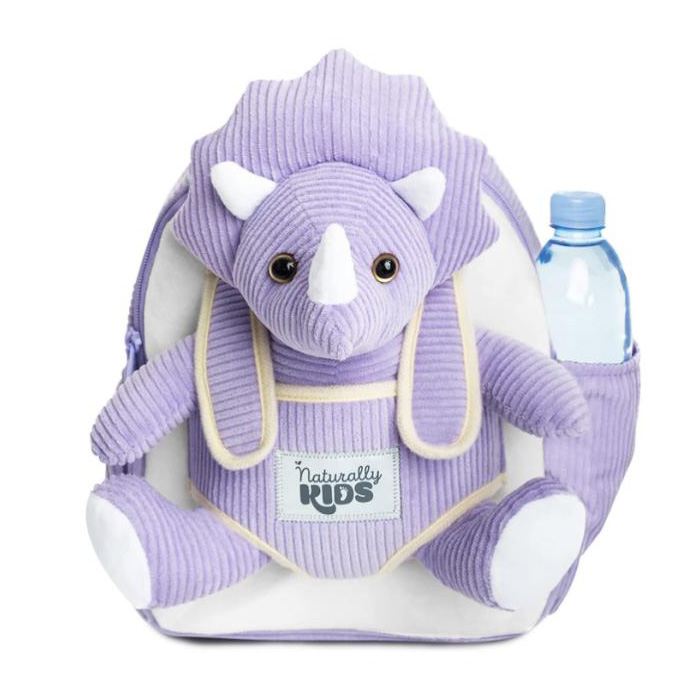
Most people don’t hate their Student Schoolbag because of style. They hate it because it fails in predictable ways:
- Back and shoulder strain: thin straps, poor padding, and a bag that sits too low can turn a normal day into a complaint factory.
- Chaotic organization: one giant compartment means crushed homework, leaking pens, and “I can’t find anything” every morning.
- Weak hardware: zippers, buckles, and strap adjusters are often the first to break—usually at the worst time.
- Fabric disappointment: “water-resistant” marketing but no real coating or lining, so books get warped in light rain.
- Wrong capacity: too small = overstuffing and seam stress; too big = heavy even when half empty and encourages carrying unnecessary items.
A good Student Schoolbag solves these problems before they show up, using design choices you can actually check in hand.
How to size and fit a Student Schoolbag properly
Fit is the #1 comfort factor—and it’s surprisingly measurable. Here’s a quick, practical approach:
- Bag height: The top should sit below the shoulders, and the bottom should not hit the hips when worn. If it bumps the hips, it tends to sway and pull.
- Strap width and padding: Wider straps distribute pressure better. Look for dense padding that rebounds, not foam that collapses flat.
- S-curve straps: A gentle curve often fits smaller frames better and reduces neck rubbing.
- Chest strap: Not just for hiking—this stabilizes the load and reduces shoulder slip, especially for active kids.
- Back panel: A structured back with cushioning helps the bag keep shape and reduces “hard corners” pressing into the back.
If you’re buying online, prioritize photos that show the back panel, strap thickness, and inside layout—not just the front styling. A Student Schoolbag can look cute and still be built like a brick (in the bad way) on a child’s back.
Materials that matter for durability and safety
Material choice is where “cheap today” becomes “replace next month.” These are the components worth paying attention to:
- Outer fabric: Polyester or nylon can both work well, but performance depends on weave density and coating. Higher-density fabric resists abrasion and tearing better.
- Water resistance: Look for a coated fabric and a lining, not just a surface spray. Storm flaps over zippers help a lot in real rain.
- Stitching thread: Strong thread and consistent stitch length matter more than people think. Uneven stitches are a red flag for rushed production.
- Padding: Shoulder padding and back cushioning should feel springy, not crumbly.
- Odor and finish: A harsh chemical smell can indicate low-quality finishing. For kids’ products, it’s reasonable to ask suppliers about material compliance and testing.
When brands like Ningbo Yongxin Industry co., Ltd. develop student bag lines, the best results usually come from combining practical structure with school-focused features (reinforced stress points, easy-clean surfaces, and layouts that match how students actually pack).
Organization that saves time and reduces stress
Organization isn’t “extra.” It’s what prevents daily chaos. A well-designed Student Schoolbag usually includes:
- Main compartment with structure: Enough space for books and binders without bending corners.
- Document sleeve: Keeps homework flat and separate from bulky items.
- Padded device pocket (optional): If tablets or laptops are part of the routine, padding and a raised base help protect devices from impact.
- Front quick-access pocket: For bus cards, keys, tissues—things needed fast.
- Side bottle pockets: Elastic + deeper cut reduces dropouts. Bonus points if the pocket drains easily.
- Wet/dry separation: Even a simple internal pouch helps isolate umbrellas or sweaty gym gear.
The goal is simple: less time digging, fewer lost items, fewer “I forgot it” moments.
Durability checklist: the parts that fail first
If you want a Student Schoolbag to survive the school year, inspect these high-stress zones. This is the same quick check many experienced buyers do:
| Component | What to look for | Common failure |
|---|---|---|
| Zippers | Smooth pull, sturdy teeth, reinforced zipper ends | Teeth split, slider jams |
| Strap anchors | Box stitching or bartacks, multiple rows of stitching | Straps tear at seam |
| Handle | Padded, reinforced base, not just stitched to thin fabric | Handle rips off |
| Bottom panel | Thicker fabric, protective layer, clean seam finishing | Abrasion holes, water seep |
| Buckles & adjusters | Tight fit, no sharp edges, consistent molding | Cracks, slipping straps |
If you can only check three things, check zippers, strap anchors, and bottom panel. Those three determine whether your Student Schoolbag feels “new” in month nine.
Value vs. price: what to pay for (and what not to)
Price doesn’t always equal quality, but certain upgrades genuinely affect daily experience:
- Worth paying for: durable zipper hardware, reinforced stress points, comfortable strap padding, structured back panel, easy-clean fabric, smart compartments.
- Nice to have: reflective accents for visibility, detachable key clips, modular pouches, luggage sleeve for travel.
- Skip if budget is tight: overly complex decorative elements that snag, rigid “fashion” parts that add weight, gimmick pockets that reduce usable space.
The best-value Student Schoolbag is the one that prevents replacement costs. A bag that lasts two school years is often cheaper than two “discount” bags that fail early.
Quick notes for bulk buyers and schools
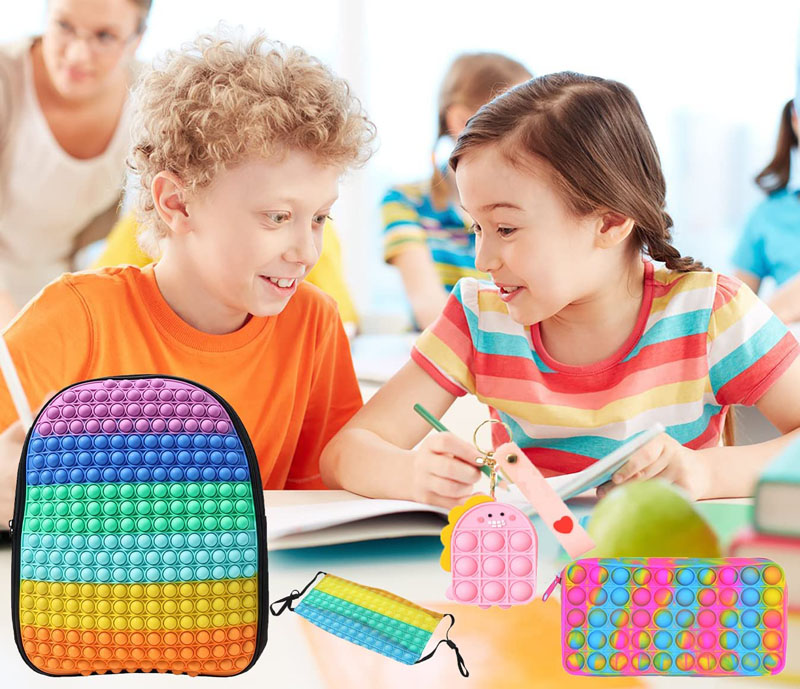
If you’re sourcing Student Schoolbag products for a store, school program, or brand line, your priorities shift slightly:
- Consistency: Ask how quality is controlled across batches (stitching standard, zipper testing, fabric inspection).
- Customization: Logo placement, colorways, and packaging matter, but don’t sacrifice strap design or reinforcement for aesthetics.
- Practical prototypes: Request a sample and stress-test it: load it, pull the zippers, check seams, pour a little water on the surface to see how it behaves.
- Compliance readiness: For children’s products, many buyers prefer suppliers who can support material documentation and safety-related expectations.
Manufacturers like Ningbo Yongxin Industry co., Ltd. typically serve buyers who need stable production and product development support, which can be helpful when you’re building a long-term category—not just a one-off order.
FAQ
- How often should I replace a Student Schoolbag?
- If the bag is still comfortable, structurally sound, and fits the student’s daily load, it can last multiple school years. Replace sooner if straps are tearing, zippers fail repeatedly, or the fit no longer matches the student’s size.
- What’s the easiest way to tell if a bag will be comfortable?
- Check strap width and padding, then look at the back panel structure. A comfortable Student Schoolbag usually has supportive padding and sits stable against the back instead of swinging.
- Do I really need a chest strap?
- If the student walks a lot, bikes, runs between classes, or simply complains about shoulder slipping, a chest strap is a practical stabilizer. It’s one of the simplest features that can improve daily comfort.
- Are “waterproof” schoolbags actually waterproof?
- Many are water-resistant rather than fully waterproof. Look for coated fabric, a lining, and zipper protection. If rain is frequent, prioritize those construction details over marketing claims.
- What organization features matter most?
- A document sleeve, a stable main compartment, and reliable side bottle pockets solve most daily problems. Beyond that, choose based on the student’s routine (sports gear, devices, lunch box).
- If I’m buying in bulk, what should I request from a supplier?
- Ask for samples, construction specs (especially reinforcement at stress points), and clarity on batch consistency. A bulk-ready Student Schoolbag program should focus on repeatable quality, not just a good-looking sample.
Next step
If you want a Student Schoolbag that holds up to real school life—heavy books, daily drops, rainy commutes, and rushed mornings—use the checklist above and compare options with the table before you buy. And if you’re exploring manufacturing, customization, or bulk sourcing for your brand or program, talk with a supplier who understands school-use durability and practical layouts.
Ready to upgrade your schoolbag lineup or request a product solution that matches your market? contact us to discuss your requirements and get a tailored recommendation.
Send Inquiry


X
We use cookies to offer you a better browsing experience, analyze site traffic and personalize content. By using this site, you agree to our use of cookies.
Privacy Policy