 English
- English
-
 Español
 -
 Português
 -
 русский
 -
 Français
 -
 日本語
日本語 -
 Deutsch
 -
 tiếng Việt
 -
 Italiano
 -
 Nederlands
 -
 ภาษาไทย
 -
 Polski
 -
 한국어
한국어 -
 Svenska
 -
 magyar
 -
 Malay
Malay -
 বাংলা ভাষার
 -
 Dansk
Dansk -
 Suomi
Suomi -
 हिन्दी
 -
 Pilipino
 -
 Türkçe
 -
 Gaeilge
 -
 العربية
 -
 Indonesia
 -
 Norsk
Norsk -
 تمل
تمل -
 český
český -
 ελληνικά
 -
 український
 -
 Javanese
 -
 فارسی
فارسی -
 தமிழ்
தமிழ் -
 తెలుగు
 -
 नेपाली
 -
 Burmese
 -
 български
 -
 ລາວ
ລາວ -
 Latine
 -
 Қазақша
 -
 Euskal
 -
 Azərbaycan
 -
 Slovenský jazyk
 -
 Македонски
 -
 Lietuvos
 -
 Eesti Keel
 -
 Română
 -
 Slovenski
 -
 मराठी
मराठी -
 Srpski језик
 -
 Esperanto
 -
 Afrikaans
 -
 Català
 -
 שפה עברית
 -
 Cymraeg
 -
 Galego
 -
 Latviešu
 -
 icelandic
 -
 ייִדיש
 -
 беларускі
 -
 Hrvatski
 -
 Kreyòl ayisyen
 -
 Shqiptar
 -
 Malti
Malti -
 lugha ya Kiswahili
 -
 አማርኛ
አማርኛ -
 Bosanski
 -
 Frysk
Frysk -
 ភាសាខ្មែរ
 -
 ქართული
 -
 ગુજરાતી
 -
 Hausa
Hausa -
 Кыргыз тили
 -
 ಕನ್ನಡ
ಕನ್ನಡ -
 Corsa
Corsa -
 Kurdî
Kurdî -
 മലയാളം
 -
 Maori
Maori -
 Монгол хэл
 -
 Hmong
Hmong -
 IsiXhosa
 -
 Zulu
Zulu -
 Punjabi
 -
 پښتو
پښتو -
 Chichewa
 -
 Samoa
Samoa -
 Sesotho
 -
 සිංහල
සිංහල -
 Gàidhlig
 -
 Cebuano
 -
 Somali
 -
 Тоҷикӣ
 -
 O'zbek
 -
 Hawaiian
 -
 سنڌي
سنڌي -
 Shinra
 -
 Հայերեն
 -
 Igbo
Igbo -
 Sundanese
 -
 Lëtzebuergesch
 -
 Malagasy
 -
 Yoruba
 -
 简体中文
简体中文 -
 繁体中文
繁体中文


Products


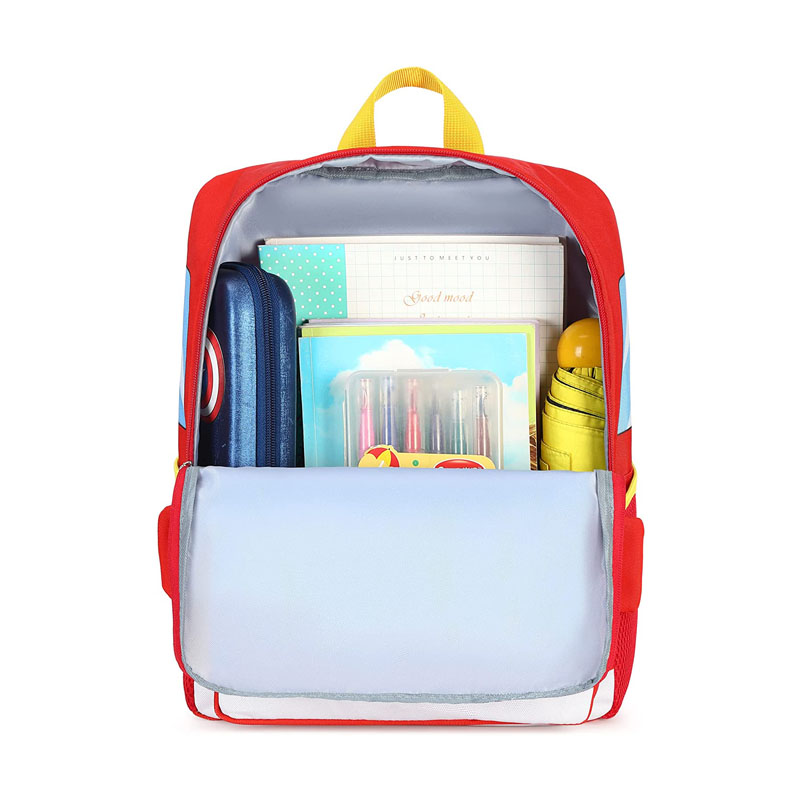
Early childhood school bag
As a professional high quality Early childhood school bag manufacture, you can rest assured to buy Early childhood school bag from our factory and we will offer you the best after-sale service and timely delivery.
Send Inquiry
Product Description
Yongxin early childhood school bag, also known as a preschool or kindergarten backpack, is a high quality small-sized backpack designed specifically for young children who are attending early childhood programs, such as preschool, daycare, or kindergarten. These bags are tailored to the needs and comfort of young children, typically between the ages of 2 to 5 years old. Here are some key characteristics and considerations for an early childhood school bag:
Size: Early childhood school bags are small and lightweight to fit the smaller frames of young children comfortably. The size should be appropriate for carrying a few essentials like a change of clothes, snacks, a water bottle, and a small toy or art supplies.
Durability: Young children can be rough on their belongings, so the school bag should be made from durable materials like nylon, polyester, or canvas. Reinforced stitching and sturdy zippers or closures are essential for durability.
Design and Colors: These bags often feature colorful and child-friendly designs, characters, or themes that appeal to young children. Popular cartoon characters, animals, or simple, appealing patterns can make the bag more attractive to kids.
Comfort: Look for padded shoulder straps and a padded back panel to ensure comfort during wear. Adjustable straps allow you to customize the fit according to the child's size. A chest strap can help distribute the weight evenly and prevent the bag from slipping off.
Organization: While smaller in size, early childhood school bags may still have compartments and pockets for organization. Consider the number and size of compartments to determine if they can accommodate the child's essentials.
Safety: Reflective elements or patches on the bag can enhance visibility, particularly when children are walking or being picked up from early childhood programs in low-light conditions.
Name Tag: Many early childhood school bags have a designated area or tag where you can write the child's name. This helps prevent mix-ups with other children's bags.
Easy to Clean: Kids can be messy, so it's helpful if the bag is easy to clean. Look for materials that can be wiped clean with a damp cloth.
Lightweight: Ensure that the bag itself is lightweight to avoid adding unnecessary weight to the child's load.
Water-Resistant: While not necessarily waterproof, a water-resistant school bag can help protect its contents from spills or light rain.
When selecting an early childhood school bag, consider the child's age, needs, and preferences. Involving the child in the decision-making process and allowing them to choose a bag with a design or theme they like can make them feel more excited about school or daycare. Additionally, take into account any specific requirements or recommendations provided by the early childhood program regarding school bag size and features. A well-chosen early childhood school bag can help young children carry their essentials comfortably and make the transition to school or daycare more enjoyable.
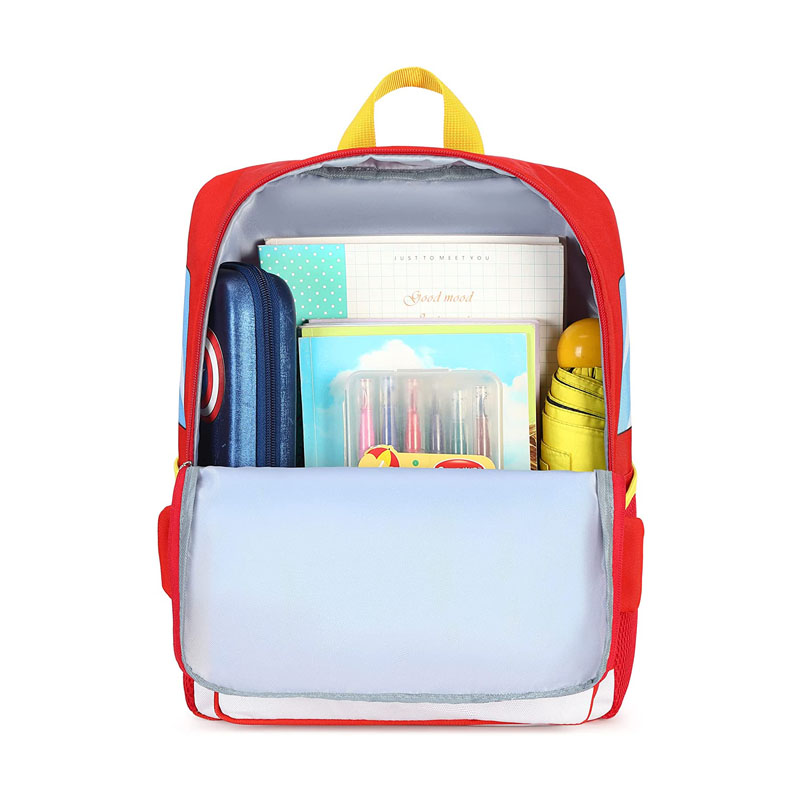
Hot Tags: Early childhood school bag, China, Suppliers, Manufacturers, Customized, Factory, Discount, Price, Price List, Quotation, Quality, Fancy
Send Inquiry
Please feel free to fill your inquiry in the form below. We will reply you in 24 hours.




X
We use cookies to offer you a better browsing experience, analyze site traffic and personalize content. By using this site, you agree to our use of cookies.
Privacy Policy