English
 Español
 Português
 русский
 Français
 日本語
日本語 Deutsch
 tiếng Việt
 Italiano
 Nederlands
 ภาษาไทย
 Polski
 한국어
한국어 Svenska
 magyar
 Malay
Malay বাংলা ভাষার
 Dansk
Dansk Suomi
Suomi हिन्दी
 Pilipino
 Türkçe
 Gaeilge
 العربية
 Indonesia
 Norsk
Norsk تمل
تمل český
český ελληνικά
 український
 Javanese
 فارسی
فارسی தமிழ்
தமிழ் తెలుగు
 नेपाली
 Burmese
 български
 ລາວ
ລາວ Latine
 Қазақша
 Euskal
 Azərbaycan
 Slovenský jazyk
 Македонски
 Lietuvos
 Eesti Keel
 Română
 Slovenski
 मराठी
मराठी Srpski језик
 Esperanto
 Afrikaans
 Català
 שפה עברית
 Cymraeg
 Galego
 Latviešu
 icelandic
 ייִדיש
 беларускі
 Hrvatski
 Kreyòl ayisyen
 Shqiptar
 Malti
Malti lugha ya Kiswahili
 አማርኛ
አማርኛ Bosanski
 Frysk
Frysk ភាសាខ្មែរ
 ქართული
 ગુજરાતી
 Hausa
Hausa Кыргыз тили
 ಕನ್ನಡ
ಕನ್ನಡ Corsa
Corsa Kurdî
Kurdî മലയാളം
 Maori
Maori Монгол хэл
 Hmong
Hmong IsiXhosa
 Zulu
Zulu Punjabi
 پښتو
پښتو Chichewa
 Samoa
Samoa Sesotho
 සිංහල
සිංහල Gàidhlig
 Cebuano
 Somali
 Тоҷикӣ
 O'zbek
 Hawaiian
 سنڌي
سنڌي Shinra
 Հայերեն
 Igbo
Igbo Sundanese
 Lëtzebuergesch
 Malagasy
 Yoruba
 简体中文
简体中文 繁体中文
繁体中文

1. What Is a Swim Ring and Why Is It So Popular?
A Swim Ring is an inflatable buoyant device designed to help swimmers—especially children and beginners—stay afloat while they enjoy the water. Typically made from vinyl, PVC, or other durable plastic materials, swim rings come in countless colors, shapes, and sizes, from classic donuts to unicorns and flamingos. Their primary purpose is to provide recreational buoyancy and support, allowing users to feel more confident in pools, lakes, or calm beaches. Because they are lightweight, portable, and affordable, swim rings have become a staple of summer fun for families worldwide.
2. Safety First: Crucial Tips for Using a Swim Ring Responsibly
While a Swim Ring is a wonderful water toy, it is not a life-saving device. Unlike a life jacket or life buoy, a standard swim ring is classified as a water toy and follows toy safety standards rather than personal flotation device (PFD) regulations. This means it can puncture, leak air, or slip off if not used properly. To ensure safe usage:
- Never leave children unattended: Always keep children within arm's reach while they are using a swim ring.
- Check age and weight limits: Many rings are rated for specific age groups (e.g., 3–6 years with a max weight of 30 kg).
- Avoid deep water and currents: Swim rings are designed for shallow, calm water—not for oceans with waves or rivers.
- Inspect before each use: Look for leaks, weak seams, or punctures. Inflate only to 90% capacity to prevent bursting.
- Do not use for infants under 3 years old: Babies can slip through the center or become trapped.
3. How to Choose the Perfect Swim Ring: Size, Material, and Certifications
Selecting the right Swim Ring involves more than picking a cute design. A well-chosen ring enhances safety and enjoyment. Here are the key factors to evaluate:
3.1 Size and Weight Capacity
| User Category | Typical Diameter | Weight Capacity | Recommended Age |
|---|---|---|---|
| Toddlers | 45–55 cm | 15–20 kg (33–44 lbs) | 2–4 years (with seat) |
| Children | 60–90 cm | 25–40 kg (55–88 lbs) | 4–8 years |
| Teens & Adults | 90–120 cm | 80–90+ kg (176–200+ lbs) | 9 years and up |
| Extra-large | 120–150 cm | Up to 150 kg (330 lbs) | Adults / multiple users |
For example, the Zoggs Inflatable Swim Ring offers sizes from 2–3 years (up to 15 kg) up to 3–6 years (up to 25 kg) with double safety air chambers. Adult models like the Marathon Pro by Intex support up to 320 pounds. Always match the user’s weight to the manufacturer’s recommendation.
3.2 Material and Durability
High-quality swim rings are made from non-toxic, UV-resistant PVC or TPU (thermoplastic polyurethane). Look for phrases like “phthalate-free,” “BPA-free,” and “latex-free” to ensure skin safety. Thicker materials (≥0.35 mm) resist punctures better. Premium brands also use double-seam welding and reinforced valves.
3.3 Safety Certifications
Reputable swim rings carry marks of compliance with international standards. In the US, ASTM F963 covers toy safety; in Europe, EN 13138-1 specifies requirements for swimming aids. These certifications guarantee non-toxic materials, secure seams, and proper buoyancy for the intended weight range. Avoid unbranded rings that lack any safety labeling.
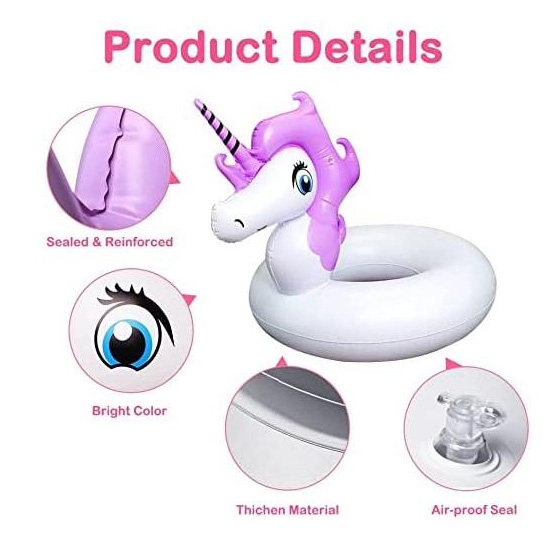
4. Maintenance 101: Cleaning, Storage, and Repairing a Leaky Swim Ring
Proper care extends the life of your swim ring and prevents accidents caused by sudden deflation. Follow these proven maintenance steps:
4.1 Cleaning
After each use, rinse the ring with clean water to remove chlorine, salt, or sand. Wipe it down with a damp cloth and a mild soap solution if needed. Avoid harsh chemicals or abrasive scrubbers, as they can damage the vinyl surface.
4.2 Drying and Storage
Never store a wet ring, as moisture promotes mold and material degradation. Allow it to air dry completely before deflating. Keep it away from direct sunlight, extreme heat, or sharp objects. Fold loosely rather than creasing tightly to prevent seam stress.
4.3 Repairing a Puncture
For small leaks, locate the hole by listening for hissing or submerging the inflated ring in water. Use a transparent self-adhesive vinyl patch. Clean and dry the area, apply the patch firmly, and wait 12 hours before reinflating. For valves, check if the valve cap is tight; replace the entire valve if necessary.
5. Creative Ways to Use a Swim Ring for Parties and Photography
Beyond basic floating, swim rings have become icons of summer aesthetics. Here are some imaginative ways to enjoy them:
- Pool party decor: Giant inflatable rings (unicorn, pizza, watermelon) serve as eye-catching photo backdrops and floating lounge stations.
- Family float trains: Connect several small rings together with rope or carabiners so kids and adults can drift together.
- Festival and beach photoshoots: Brightly colored rings add a playful vibe to portraits, especially at golden hour.
- Giant floating loungers: Oversized rings with mesh bottoms or backrests let adults relax fully stretched out on the water.
- Kids’ pool game targets: Use rings as goals for ring‑toss or dive‑through challenges.
6. Market Insights: Why Swim Rings Continue to Dominate Summer Gear
The global swimming rings market was valued at approximately USD 1.075 billion in 2024 and is projected to grow at a compound annual growth rate (CAGR) of 4.20% through the forecast period. The Asia‑Pacific region accounted for over 17% of the global market in 2025, while North America and Europe remain strong due to high disposable incomes and a culture of recreational swimming. Key growth drivers include:
- Rising demand for backyard pools and staycation gear post-pandemic.
- Social media trends boosting creative and oversized float designs.
- Increased focus on water safety, leading parents to purchase well‑certified swim rings.
- E‑commerce platforms making specialty shapes (unicorns, donuts, flowers) easily accessible.
7. Frequently Asked Questions About Swim Rings
✦ Trust your summer fun to a brand that prioritizes quality and safety. Yongxin delivers expertly crafted swim rings using non-toxic, durable materials with international safety certifications.
*Market data estimated based on industry reports. Actual growth may vary by region and seasonality.