 English
- English
-
 Español
 -
 Português
 -
 русский
 -
 Français
 -
 日本語
日本語 -
 Deutsch
 -
 tiếng Việt
 -
 Italiano
 -
 Nederlands
 -
 ภาษาไทย
 -
 Polski
 -
 한국어
한국어 -
 Svenska
 -
 magyar
 -
 Malay
Malay -
 বাংলা ভাষার
 -
 Dansk
Dansk -
 Suomi
Suomi -
 हिन्दी
 -
 Pilipino
 -
 Türkçe
 -
 Gaeilge
 -
 العربية
 -
 Indonesia
 -
 Norsk
Norsk -
 تمل
تمل -
 český
český -
 ελληνικά
 -
 український
 -
 Javanese
 -
 فارسی
فارسی -
 தமிழ்
தமிழ் -
 తెలుగు
 -
 नेपाली
 -
 Burmese
 -
 български
 -
 ລາວ
ລາວ -
 Latine
 -
 Қазақша
 -
 Euskal
 -
 Azərbaycan
 -
 Slovenský jazyk
 -
 Македонски
 -
 Lietuvos
 -
 Eesti Keel
 -
 Română
 -
 Slovenski
 -
 मराठी
मराठी -
 Srpski језик
 -
 Esperanto
 -
 Afrikaans
 -
 Català
 -
 שפה עברית
 -
 Cymraeg
 -
 Galego
 -
 Latviešu
 -
 icelandic
 -
 ייִדיש
 -
 беларускі
 -
 Hrvatski
 -
 Kreyòl ayisyen
 -
 Shqiptar
 -
 Malti
Malti -
 lugha ya Kiswahili
 -
 አማርኛ
አማርኛ -
 Bosanski
 -
 Frysk
Frysk -
 ភាសាខ្មែរ
 -
 ქართული
 -
 ગુજરાતી
 -
 Hausa
Hausa -
 Кыргыз тили
 -
 ಕನ್ನಡ
ಕನ್ನಡ -
 Corsa
Corsa -
 Kurdî
Kurdî -
 മലയാളം
 -
 Maori
Maori -
 Монгол хэл
 -
 Hmong
Hmong -
 IsiXhosa
 -
 Zulu
Zulu -
 Punjabi
 -
 پښتو
پښتو -
 Chichewa
 -
 Samoa
Samoa -
 Sesotho
 -
 සිංහල
සිංහල -
 Gàidhlig
 -
 Cebuano
 -
 Somali
 -
 Тоҷикӣ
 -
 O'zbek
 -
 Hawaiian
 -
 سنڌي
سنڌي -
 Shinra
 -
 Հայերեն
 -
 Igbo
Igbo -
 Sundanese
 -
 Lëtzebuergesch
 -
 Malagasy
 -
 Yoruba
 -
 简体中文
简体中文 -
 繁体中文
繁体中文


What Makes Drawstring Bags the Future of Everyday Carry Solutions?
The drawstring bag has evolved from a simple storage pouch into a versatile, durable, and fashion-forward solution for everyday life. Lightweight yet functional, this adaptable accessory caters to diverse needs—from gym sessions and travel packing to retail packaging and promotional giveaways. Its rising popularity across markets reflects a global shift toward minimalism, sustainability, and convenience in personal storage design.
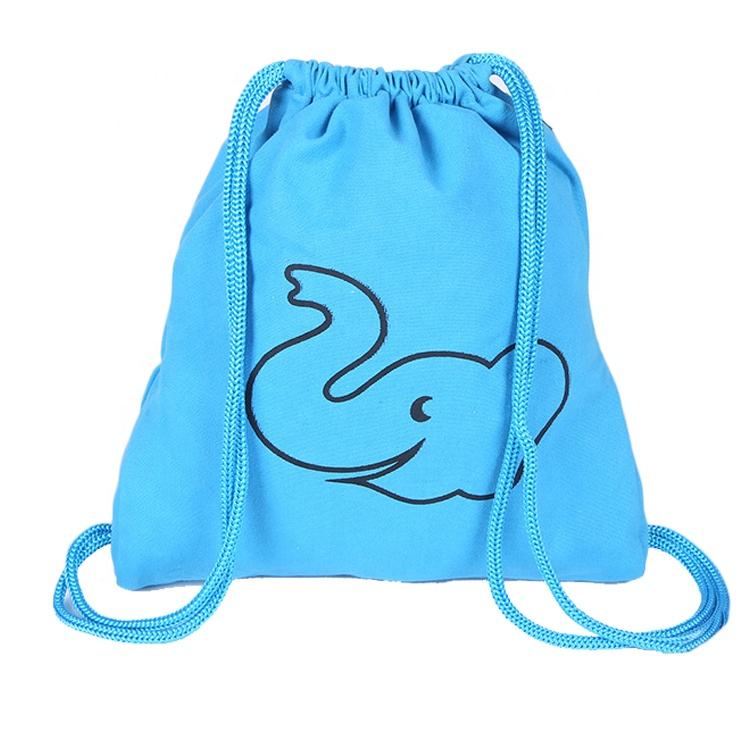
A drawstring bag is typically crafted from cotton, polyester, nylon, or canvas, featuring a cord closure that doubles as shoulder straps. This design enables quick access and easy portability. As lifestyles become more dynamic and eco-conscious, drawstring bags have become a go-to choice for people seeking functionality without compromising on style or environmental values.
Modern consumers demand products that combine aesthetic appeal, practicality, and reusability—and drawstring bags meet all these expectations. They align perfectly with trends in sustainable fashion, casual mobility, and efficient branding opportunities for businesses.
Why Are Drawstring Bags Becoming So Popular?
The popularity of drawstring bags is rooted in their simplicity, adaptability, and eco-friendly potential. They have transformed from basic sports sacks into stylish carriers suitable for schools, offices, shopping, and even corporate promotions. Below are the key factors driving their rise:
| Feature | Description | Benefit |
|---|---|---|
| Material Options | Cotton, canvas, nylon, polyester, non-woven fabric | Versatile choices for durability, sustainability, and cost |
| Lightweight Design | Compact, foldable, and easy to carry | Ideal for travel and daily use |
| Customizability | Printable surface for logos and artwork | Perfect for branding and marketing |
| Eco-Friendliness | Reusable and recyclable materials available | Supports green initiatives |
| Varied Sizes | Small (20×25cm) to large (40×50cm) | Fits different user requirements |
| Closure Mechanism | Durable drawstring cord, adjustable straps | Provides security and comfort |
| Water Resistance (optional) | Coated or nylon materials prevent water damage | Practical for outdoor or sports activities |
| Affordable Production | Simple sewing pattern, minimal hardware | Cost-efficient for bulk manufacturing |
The bag’s ability to balance utility and style makes it a versatile option for both individuals and brands. For example, fitness enthusiasts prefer polyester drawstring bags for their water resistance, while eco-conscious shoppers often choose cotton or canvas for their biodegradability.
Additionally, the low production cost and high customization potential make drawstring bags a marketing favorite. Companies can easily print logos, slogans, or event details, turning a functional item into a walking advertisement.
How Are Drawstring Bags Manufactured and Used Across Different Industries?
Manufacturing drawstring bags involves a seamless blend of material innovation and user-centered design. The process begins with material selection, where the type of fabric defines the bag’s texture, strength, and sustainability profile. For instance, canvas and cotton drawstring bags are preferred for eco-friendly projects, while nylon and polyester offer weatherproof and heavy-duty performance.
Key Stages of Production:
-
Material Cutting – Fabric is cut according to the desired size, ensuring uniformity and minimal waste.
-
Edge Hemming – The edges are folded and sewn to enhance durability.
-
Cord Channeling – A tunnel for the drawstring is stitched near the top.
-
String Insertion – Cotton or polyester cords are threaded through, forming handles and closure.
-
Finishing & Quality Check – Bags are inspected for stitching consistency and aesthetic precision.
This streamlined production model allows manufacturers to efficiently create customized orders with different prints, colors, or sizes, aligning with corporate branding or retail merchandising needs.
Applications Across Industries:
-
Retail & Promotion: Companies distribute branded drawstring bags as promotional gifts or packaging for premium items.
-
Sports & Fitness: Athletes use lightweight bags for carrying shoes, towels, and gym accessories.
-
Education: Students prefer them for carrying books, sportswear, or daily essentials.
-
Tourism & Events: Travel agencies and event organizers often use drawstring bags as giveaway kits.
-
Fashion & Lifestyle: Minimalist designs and premium materials have elevated drawstring bags into mainstream fashion accessories.
The ongoing innovation in textile engineering—such as waterproof coatings, recycled fabrics, and biodegradable threads—continues to redefine the potential of drawstring bags. They represent not just convenience but also a commitment to sustainability and smart living.
What Does the Future Hold for Drawstring Bags?
As global trends move toward sustainability and personalization, drawstring bags are poised to become a central element in eco-fashion and promotional marketing. The next generation of these bags will likely integrate recycled PET fabrics, organic cotton, and even smart tracking technology for enhanced usability.
Future Development Trends:
-
Sustainable Materials: Increased demand for biodegradable and recycled fibers.
-
Smart Integration: Built-in tags or QR codes for inventory or digital interaction.
-
Design Versatility: Expansion into hybrid designs combining drawstring closures with zipper pockets.
-
Corporate Responsibility: Brands adopting drawstring bags as part of their sustainability campaigns.
-
Global Market Expansion: Growing demand in Europe, North America, and Asia for eco-conscious alternatives.
This evolution aligns with a larger consumer shift toward products that balance environmental responsibility and modern practicality. The drawstring bag, once a humble gym accessory, is now a symbol of adaptable design and green living.
Common Questions About Drawstring Bags
Q1: Are drawstring bags durable enough for daily use?
A: Yes, when made from high-quality materials such as canvas, nylon, or heavy polyester, drawstring bags can handle frequent use without tearing. Reinforced stitching and thick cords increase longevity, making them suitable for carrying gym gear, groceries, or school supplies.
Q2: Can drawstring bags be washed easily?
A: Absolutely. Most fabric drawstring bags are machine-washable. However, it’s important to follow material-specific care instructions. Cotton and canvas bags should be air-dried to maintain shape, while nylon or polyester variants dry quickly and resist stains effectively.
Conclusion: Why Yongxin Drawstring Bags Stand Out
The drawstring bag market continues to evolve, driven by the demands for sustainability, functionality, and creative branding. Among the leading manufacturers, Yongxin distinguishes itself through its commitment to quality craftsmanship, eco-friendly materials, and versatile customization options. Each Yongxin drawstring bag reflects precision engineering and an understanding of modern consumer expectations.
As businesses and individuals seek smarter, greener, and more cost-efficient solutions, Yongxin offers the perfect blend of innovation and reliability. Whether for retail packaging, gym essentials, or promotional campaigns, Yongxin drawstring bags deliver exceptional performance and visual appeal.
For product inquiries or custom design requests, please contact us.Yongxin’s expert team is ready to help you create a drawstring bag solution that fits your brand vision and environmental goals.
Send Inquiry


X
We use cookies to offer you a better browsing experience, analyze site traffic and personalize content. By using this site, you agree to our use of cookies.
Privacy Policy