 English
- English
-
 Español
 -
 Português
 -
 русский
 -
 Français
 -
 日本語
日本語 -
 Deutsch
 -
 tiếng Việt
 -
 Italiano
 -
 Nederlands
 -
 ภาษาไทย
 -
 Polski
 -
 한국어
한국어 -
 Svenska
 -
 magyar
 -
 Malay
Malay -
 বাংলা ভাষার
 -
 Dansk
Dansk -
 Suomi
Suomi -
 हिन्दी
 -
 Pilipino
 -
 Türkçe
 -
 Gaeilge
 -
 العربية
 -
 Indonesia
 -
 Norsk
Norsk -
 تمل
تمل -
 český
český -
 ελληνικά
 -
 український
 -
 Javanese
 -
 فارسی
فارسی -
 தமிழ்
தமிழ் -
 తెలుగు
 -
 नेपाली
 -
 Burmese
 -
 български
 -
 ລາວ
ລາວ -
 Latine
 -
 Қазақша
 -
 Euskal
 -
 Azərbaycan
 -
 Slovenský jazyk
 -
 Македонски
 -
 Lietuvos
 -
 Eesti Keel
 -
 Română
 -
 Slovenski
 -
 मराठी
मराठी -
 Srpski језик
 -
 Esperanto
 -
 Afrikaans
 -
 Català
 -
 שפה עברית
 -
 Cymraeg
 -
 Galego
 -
 Latviešu
 -
 icelandic
 -
 ייִדיש
 -
 беларускі
 -
 Hrvatski
 -
 Kreyòl ayisyen
 -
 Shqiptar
 -
 Malti
Malti -
 lugha ya Kiswahili
 -
 አማርኛ
አማርኛ -
 Bosanski
 -
 Frysk
Frysk -
 ភាសាខ្មែរ
 -
 ქართული
 -
 ગુજરાતી
 -
 Hausa
Hausa -
 Кыргыз тили
 -
 ಕನ್ನಡ
ಕನ್ನಡ -
 Corsa
Corsa -
 Kurdî
Kurdî -
 മലയാളം
 -
 Maori
Maori -
 Монгол хэл
 -
 Hmong
Hmong -
 IsiXhosa
 -
 Zulu
Zulu -
 Punjabi
 -
 پښتو
پښتو -
 Chichewa
 -
 Samoa
Samoa -
 Sesotho
 -
 සිංහල
සිංහල -
 Gàidhlig
 -
 Cebuano
 -
 Somali
 -
 Тоҷикӣ
 -
 O'zbek
 -
 Hawaiian
 -
 سنڌي
سنڌي -
 Shinra
 -
 Հայերեն
 -
 Igbo
Igbo -
 Sundanese
 -
 Lëtzebuergesch
 -
 Malagasy
 -
 Yoruba
 -
 简体中文
简体中文 -
 繁体中文
繁体中文


Is There Industry News About Fashionable Shopping Bags?
Shopping Bag is an essential item that everyone needs. It is a simple and convenient tool for carrying things, making it an integral part of our daily lives. A Shopping Bag can come in various sizes, shapes, colors, and types, making it versatile enough to suit any purpose. As the world becomes more environmentally conscious, people have started choosing reusable Shopping Bags over disposable ones. These bags are not only eco-friendly, but they are also fashionable, giving people the freedom to express themselves while being environmentally responsible.
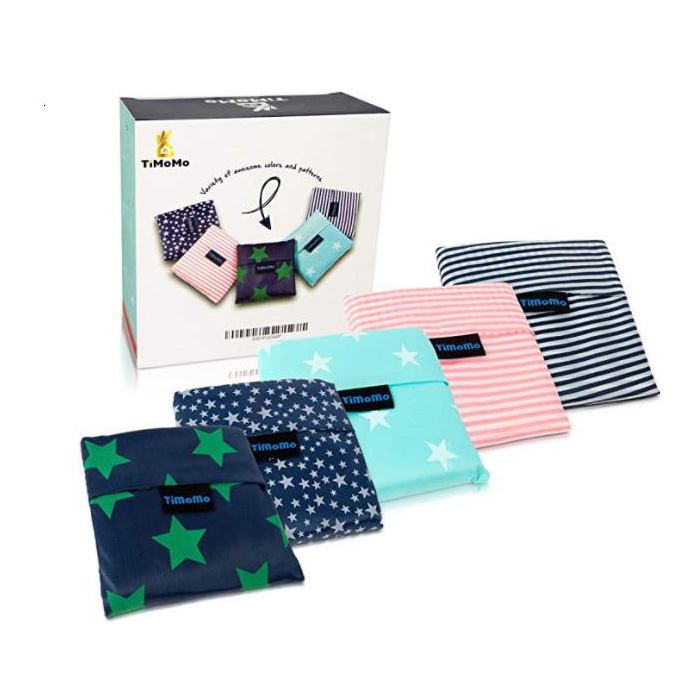
What are the benefits of using reusable Shopping Bags?
Reusable Shopping Bags are a sustainable option for carrying your belongings. They help to reduce the amount of plastic waste that ends up in landfills and oceans. Moreover, reusable Shopping Bags are more durable than plastic bags and can be used multiple times, saving you money in the long run. They also come in various sizes, making them suitable for different purposes.What are the different types of reusable Shopping Bags?
There are various types of reusable Shopping Bags on the market. Some of the most popular ones include: - Cotton Bags: These bags are made of cotton and are washable, durable, and biodegradable. - Jute Bags: Jute Bags are eco-friendly and made of natural fibers. They are also durable and can be used repeatedly. - Foldable Bags: These bags can be easily folded and stored in your purse or pocket, making them convenient to carry around. - Tote Bags: Tote Bags are spacious and durable, making them suitable for carrying groceries.Where can you buy fashionable Shopping Bags?
Fashionable Shopping Bags can be found in various stores, both online and offline. Some popular stores that sell trendy and eco-friendly Shopping Bags include Amazon.com, Thebodyshop.com, and Ecolife.com. In conclusion, Shopping Bags are an essential item in our daily lives that should not be taken for granted. By choosing reusable Shopping Bags, we are not only protecting the environment but also expressing ourselves through fashion. If you are looking for fashionable and sustainable Shopping Bags, check out the different types available in the market today.Ningbo Yongxin Industry Co., Ltd. is a company that specializes in producing reusable Shopping Bags. If you are interested in purchasing eco-friendly and stylish Shopping Bags, check out their website at https://www.yxinnovate.com. For inquiries and partnerships, please contact Joan at joan@nbyxgg.com.
10 Scientific Articles Related to Reusable Shopping Bags
1. Thompson, R. C., Swan, S. H., Moore, C. J., & vom Saal, F. S. (2009). Our plastic age. Philosophical Transactions of the Royal Society B: Biological Sciences, 364(1526), 1973-1976.
2. Jakobsson, K. M., & Dragetun, Å. K. (2019). Life cycle assessments of grocer's polyethylene shopping bags and high-density polyethylene bags. Journal of Industrial Ecology, 23(3), 667-676.
3. Cole, M., & Galloway, T. S. (2015). Microplastics as contaminants in the marine environment: a review. Marine pollution bulletin, 92(1-2), 258-269.
4. Sachdeva, M., Jain, A., & Garg, M. (2020). Impact of single-use plastic bags on environment, economy, and health. Environmental Science and Pollution Research, 27(34), 42613-42620.
5. Morris, P. L., & Wenzel, H. (2018). Combatting marine debris in the 21st century: global, regional and local challenges and solutions. Marine pollution bulletin, 133, 1-8.
6. Abadi, A. S., Saifullah, M. G., & Khairuddin, N. (2020). Biodegradable plastic bags from cassava starch and their impact on waste management and greenhouse gas emissions in Malaysia. Resources, Conservation and Recycling, 160, 104901.
7. Fuller, S., & Gautam, R. (2016). A comparative analysis of greenhouse gas emissions from the use of recycled versus virgin materials in production of carrier bags. Resources, Conservation and Recycling, 113, 85-92.
8. Kim, M., Song, Y. K., & Shim, W. J. (2019). Sorption of microplastics on environmentally relevant solid matrices. Environmental Science & Technology Letters, 6(11), 688-694.
9. Jacquin, F., & Santini, A. (2021). Coordinating consumers' choices of (green) bags for a sustainable city. Journal of cleaner production, 280, 124211.
10. Phipps, M., Sønderlund, A. L., & Rutland, J. (2019). ‘It's the vibe’: materiality, meaning, and the shopping bag. Journal of Business Research, 98, 403-415.
Send Inquiry


X
We use cookies to offer you a better browsing experience, analyze site traffic and personalize content. By using this site, you agree to our use of cookies.
Privacy Policy