 English
- English
-
 Español
 -
 Português
 -
 русский
 -
 Français
 -
 日本語
日本語 -
 Deutsch
 -
 tiếng Việt
 -
 Italiano
 -
 Nederlands
 -
 ภาษาไทย
 -
 Polski
 -
 한국어
한국어 -
 Svenska
 -
 magyar
 -
 Malay
Malay -
 বাংলা ভাষার
 -
 Dansk
Dansk -
 Suomi
Suomi -
 हिन्दी
 -
 Pilipino
 -
 Türkçe
 -
 Gaeilge
 -
 العربية
 -
 Indonesia
 -
 Norsk
Norsk -
 تمل
تمل -
 český
český -
 ελληνικά
 -
 український
 -
 Javanese
 -
 فارسی
فارسی -
 தமிழ்
தமிழ் -
 తెలుగు
 -
 नेपाली
 -
 Burmese
 -
 български
 -
 ລາວ
ລາວ -
 Latine
 -
 Қазақша
 -
 Euskal
 -
 Azərbaycan
 -
 Slovenský jazyk
 -
 Македонски
 -
 Lietuvos
 -
 Eesti Keel
 -
 Română
 -
 Slovenski
 -
 मराठी
मराठी -
 Srpski језик
 -
 Esperanto
 -
 Afrikaans
 -
 Català
 -
 שפה עברית
 -
 Cymraeg
 -
 Galego
 -
 Latviešu
 -
 icelandic
 -
 ייִדיש
 -
 беларускі
 -
 Hrvatski
 -
 Kreyòl ayisyen
 -
 Shqiptar
 -
 Malti
Malti -
 lugha ya Kiswahili
 -
 አማርኛ
አማርኛ -
 Bosanski
 -
 Frysk
Frysk -
 ភាសាខ្មែរ
 -
 ქართული
 -
 ગુજરાતી
 -
 Hausa
Hausa -
 Кыргыз тили
 -
 ಕನ್ನಡ
ಕನ್ನಡ -
 Corsa
Corsa -
 Kurdî
Kurdî -
 മലയാളം
 -
 Maori
Maori -
 Монгол хэл
 -
 Hmong
Hmong -
 IsiXhosa
 -
 Zulu
Zulu -
 Punjabi
 -
 پښتو
پښتو -
 Chichewa
 -
 Samoa
Samoa -
 Sesotho
 -
 සිංහල
සිංහල -
 Gàidhlig
 -
 Cebuano
 -
 Somali
 -
 Тоҷикӣ
 -
 O'zbek
 -
 Hawaiian
 -
 سنڌي
سنڌي -
 Shinra
 -
 Հայերեն
 -
 Igbo
Igbo -
 Sundanese
 -
 Lëtzebuergesch
 -
 Malagasy
 -
 Yoruba
 -
 简体中文
简体中文 -
 繁体中文
繁体中文


Can you customize a kids apron?
Kids Apron is a specially designed garment made to protect the children's clothes while they are cooking, baking, or doing any form of art or craft activity. It's a great way to encourage the little ones to participate in activities that can help develop their creativity and imagination. The aprons come in various colors, sizes, and designs, and they are made from different materials, including cotton, polyester, or nylon. Besides being functional, aprons for kids are also fun and stylish, making them a perfect gift for your child, grandchild, or any little one in your life.
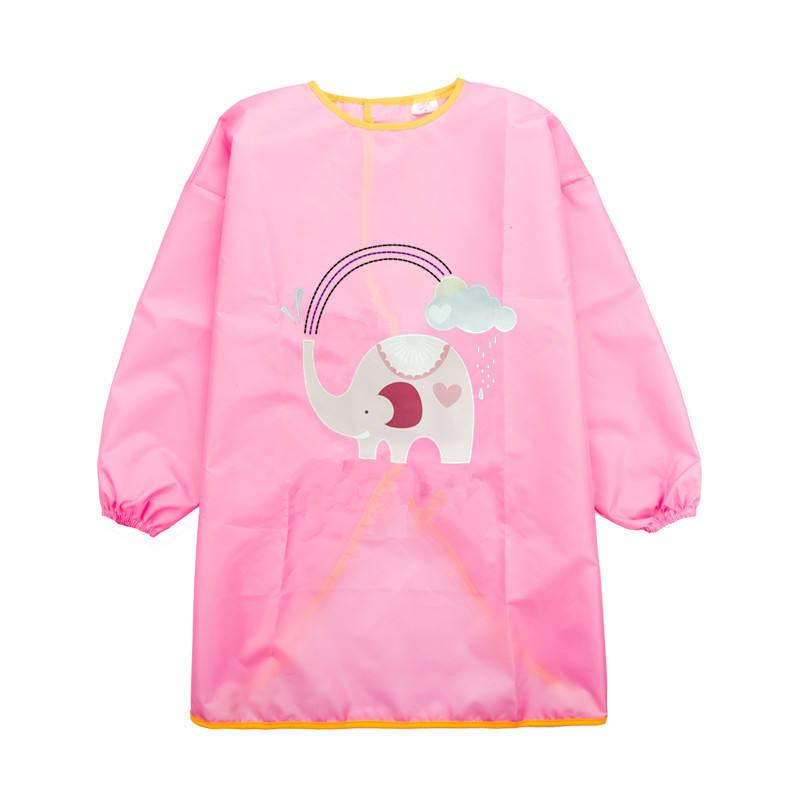
Can you customize a kids apron?
Yes, kids aprons can be customized to add a personal touch to them. You can have your child's name printed on the apron, or you can choose a custom design or color that matches their personality. At Ningbo Yongxin Industry Co., Ltd., our team of experts can help you create a unique apron for your child. Just send us your design or tell us your ideas, and we will work with you to create a high-quality, customized kids apron that your child will love.What materials are kids aprons made of?
Kids aprons are available in a variety of materials, including: - Cotton: A comfortable, breathable, and durable material that's easy to clean. - Polyester: A strong, synthetic fabric that resists wrinkles, shrinking, and fading. - Nylon: A lightweight, smooth, and shiny material that dries quickly and is resistant to stains.Why should kids wear aprons?
Wearing an apron protects your child's clothes from getting dirty or stained while they are cooking, baking, or doing any craft activity. It also helps teach them responsibility, cleanliness, and organization. Additionally, wearing an apron can boost your child's confidence and make them feel like a real chef or artist.What are some popular designs for kids aprons?
Kids aprons come in various designs, so you can choose one that matches your child's interests or personality. Some popular designs include: - Animal-themed aprons, featuring cute and playful animal characters. - Superhero-themed aprons, featuring iconic superheroes like Batman, Spiderman, or Wonder Woman. - Floral-themed aprons, featuring colorful floral patterns and designs. - Sports-themed aprons, featuring popular sports like football, basketball, or soccer.In conclusion, a customized kids apron is a great gift idea for your child or any little one in your life. It's functional, fun, and stylish, and it can help promote their creativity and imagination. At Ningbo Yongxin Industry Co., Ltd., we can help you create the perfect kids apron that your child will love. Contact us today at joan@nbyxgg.com to learn more about our products and services.
References:
Kruger, J., & Dunning, D. (1999). Unskilled and unaware of it: How difficulties in recognizing one's own incompetence lead to inflated self-assessments. Journal of personality and social psychology, 77(6), 1121-1134.
Hogg, M. A., & Abrams, D. (1990). Social motivation, self‐esteem and social identity. In Social identity theory: Constructive and critical advances (pp. 28-47). Springer, New York, NY.
Smith, E. R., & Mackie, D. M. (2000). Social psychology (Vol. 2). Psychology Press.
Buss, D. M. (1989). Conflict between the sexes: Strategic interference and the evocation of anger and upset. Journal of personality and social psychology, 56(5), 735-747.
Festinger, L. (1957). A theory of cognitive dissonance. Stanford university press.
Asch, S. E. (1951). Effects of group pressure upon the modification and distortion of judgments. Groups, leadership and men, 222-236.
Bem, D. J. (1972). Self-perception theory. Advances in experimental social psychology, 6, 1-62.
Dijkstra, J. K., Cillessen, A. H., & Borch, C. (2013). Popularity and adolescent friendship networks: Selection and influence dynamics. Developmental psychology, 49(7), 1242.
Haslam, S. A., Reicher, S. D., & Platow, M. J. (2011). The new psychology of leadership: Identity, influence and power. Psychology Press.
McGuire, W. J. (1985). Attitudes and attitude change. Handbook of social psychology, 2, 233-346.
Rosenberg, M. (1989). Society and the adolescent self-image. Wesleyan University Press.
Send Inquiry


X
We use cookies to offer you a better browsing experience, analyze site traffic and personalize content. By using this site, you agree to our use of cookies.
Privacy Policy