 English
- English
-
 Español
 -
 Português
 -
 русский
 -
 Français
 -
 日本語
日本語 -
 Deutsch
 -
 tiếng Việt
 -
 Italiano
 -
 Nederlands
 -
 ภาษาไทย
 -
 Polski
 -
 한국어
한국어 -
 Svenska
 -
 magyar
 -
 Malay
Malay -
 বাংলা ভাষার
 -
 Dansk
Dansk -
 Suomi
Suomi -
 हिन्दी
 -
 Pilipino
 -
 Türkçe
 -
 Gaeilge
 -
 العربية
 -
 Indonesia
 -
 Norsk
Norsk -
 تمل
تمل -
 český
český -
 ελληνικά
 -
 український
 -
 Javanese
 -
 فارسی
فارسی -
 தமிழ்
தமிழ் -
 తెలుగు
 -
 नेपाली
 -
 Burmese
 -
 български
 -
 ລາວ
ລາວ -
 Latine
 -
 Қазақша
 -
 Euskal
 -
 Azərbaycan
 -
 Slovenský jazyk
 -
 Македонски
 -
 Lietuvos
 -
 Eesti Keel
 -
 Română
 -
 Slovenski
 -
 मराठी
मराठी -
 Srpski језик
 -
 Esperanto
 -
 Afrikaans
 -
 Català
 -
 שפה עברית
 -
 Cymraeg
 -
 Galego
 -
 Latviešu
 -
 icelandic
 -
 ייִדיש
 -
 беларускі
 -
 Hrvatski
 -
 Kreyòl ayisyen
 -
 Shqiptar
 -
 Malti
Malti -
 lugha ya Kiswahili
 -
 አማርኛ
አማርኛ -
 Bosanski
 -
 Frysk
Frysk -
 ភាសាខ្មែរ
 -
 ქართული
 -
 ગુજરાતી
 -
 Hausa
Hausa -
 Кыргыз тили
 -
 ಕನ್ನಡ
ಕನ್ನಡ -
 Corsa
Corsa -
 Kurdî
Kurdî -
 മലയാളം
 -
 Maori
Maori -
 Монгол хэл
 -
 Hmong
Hmong -
 IsiXhosa
 -
 Zulu
Zulu -
 Punjabi
 -
 پښتو
پښتو -
 Chichewa
 -
 Samoa
Samoa -
 Sesotho
 -
 සිංහල
සිංහල -
 Gàidhlig
 -
 Cebuano
 -
 Somali
 -
 Тоҷикӣ
 -
 O'zbek
 -
 Hawaiian
 -
 سنڌي
سنڌي -
 Shinra
 -
 Հայերեն
 -
 Igbo
Igbo -
 Sundanese
 -
 Lëtzebuergesch
 -
 Malagasy
 -
 Yoruba
 -
 简体中文
简体中文 -
 繁体中文
繁体中文


Organic Eco-Friendly Children Lunch Bag
Organic Eco-Friendly Children Lunch Bag
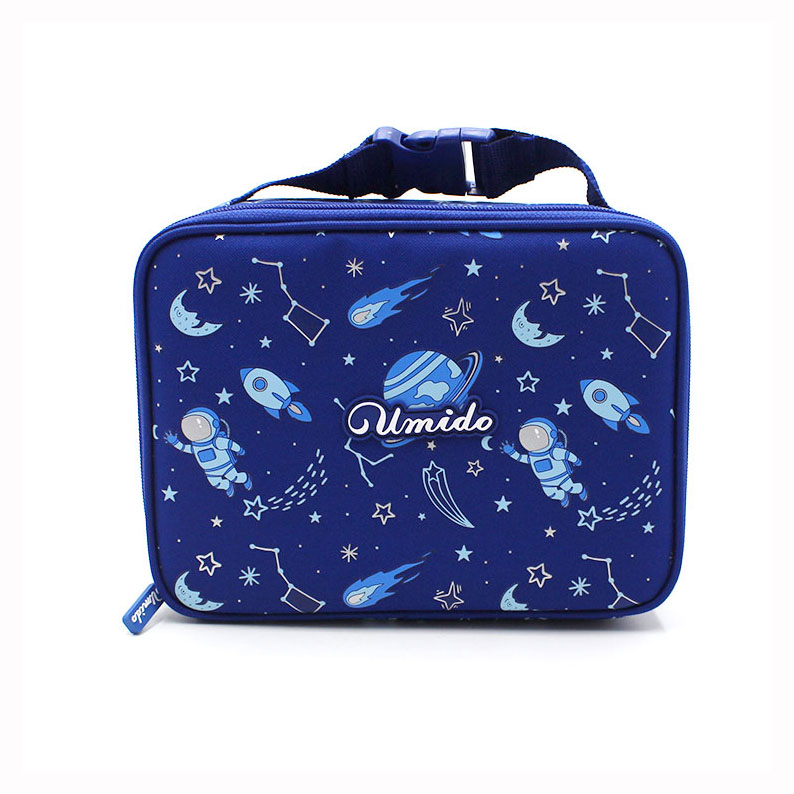
An organic eco-friendly children's lunch bag is a sustainable and environmentally-conscious option for carrying and storing food for kids. These lunch bags are designed with materials and features that minimize their impact on the environment while also ensuring the safety of the food stored inside. Here are some characteristics and considerations for an organic eco-friendly children's lunch bag:
Organic Materials: Look for lunch bags made from organic fabrics, such as organic cotton or hemp. These materials are grown without the use of synthetic pesticides and fertilizers, making them better for the environment and safer for your child's food.
Sustainable Production: Choose a lunch bag that is produced using eco-friendly manufacturing processes. This might involve using renewable energy sources, minimizing water usage, and reducing waste during production.
Biodegradable or Recyclable: Opt for lunch bags that are either biodegradable or made from recyclable materials. This ensures that the bag won't contribute to landfill waste when its useful life is over.
Insulation: If you need a lunch bag that keeps food cool or warm, look for options with natural or eco-friendly insulation materials. Some bags use recycled materials or natural fibers for insulation.
Non-Toxic and Safe: Make sure the lunch bag is free from harmful chemicals such as BPA, PVC, and phthalates. These chemicals can leach into food and pose health risks.
Easy to Clean: Choose a lunch bag that can be easily cleaned without the need for harsh chemicals. This prolongs the bag's lifespan and reduces the need for disposable alternatives.
Size and Compartments: Consider the size of the bag and the number of compartments it has. A well-designed bag will help you pack a balanced meal with separate compartments for different food items.
Durability: Look for a lunch bag made with quality stitching and durable materials. A long-lasting bag reduces the need for frequent replacements.
Design and Aesthetics: Children often prefer lunch bags that are visually appealing. Many eco-friendly options come in a variety of colors and designs.
Brand Ethics: Research the brand's commitment to sustainability and eco-friendliness. Brands that prioritize these values in their products and practices are more likely to provide genuine eco-friendly options.
Remember that an eco-friendly lunch bag is just one part of a larger sustainable lunch routine. You can also encourage your child to use reusable containers, utensils, and water bottles to further reduce waste. By making conscious choices, you're not only teaching your child about environmental responsibility but also contributing to a healthier planet for future generations.
Send Inquiry


X
We use cookies to offer you a better browsing experience, analyze site traffic and personalize content. By using this site, you agree to our use of cookies.
Privacy Policy